• Skip to primary navigation
  • Skip to main content
Thaddeus Pope Documentary Photography Japan Website Logo

Thaddeus Pope Documentary Photography

Documentary Photographer based in Japan

  • HOME
  • ABOUT
  • PHOTO ESSAYS
  • MATSURI
  • EVENT PHOTOGRAPHY
  • TESTIMONIALS
  • CONTACT
  • TADO VISUALS ↗︎

Miya Festival

Miya Festival

Photography and Text by Thaddeus Pope

SHARE THIS
  • Share on Twitter Share on Twitter
  • Share on Facebook Share on Facebook
  • Share on Pinterest Share on Pinterest
  • Share on LinkedIn Share on LinkedIn
  • Share on Reddit Share on Reddit
  • Share via Email Share via Email

JUMP TO GALLERY

Home >> Photo Essays >> Matsuri >> Miya Festival

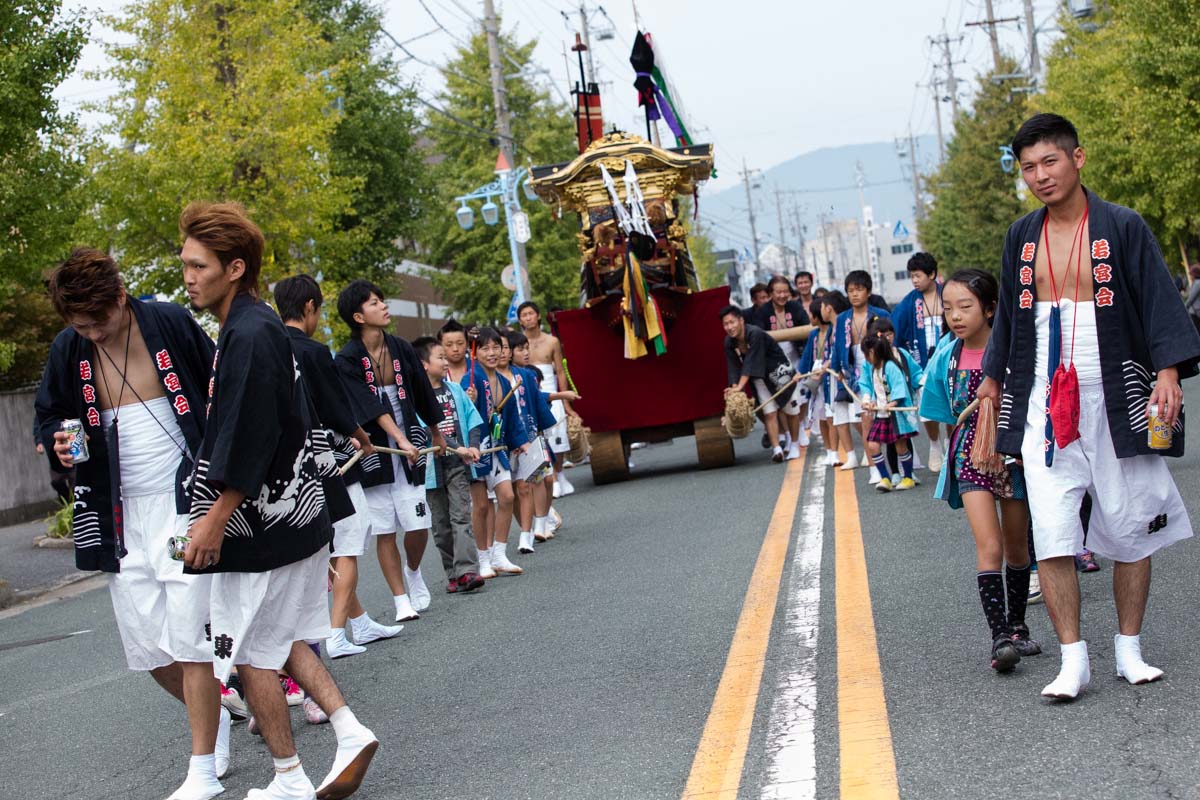
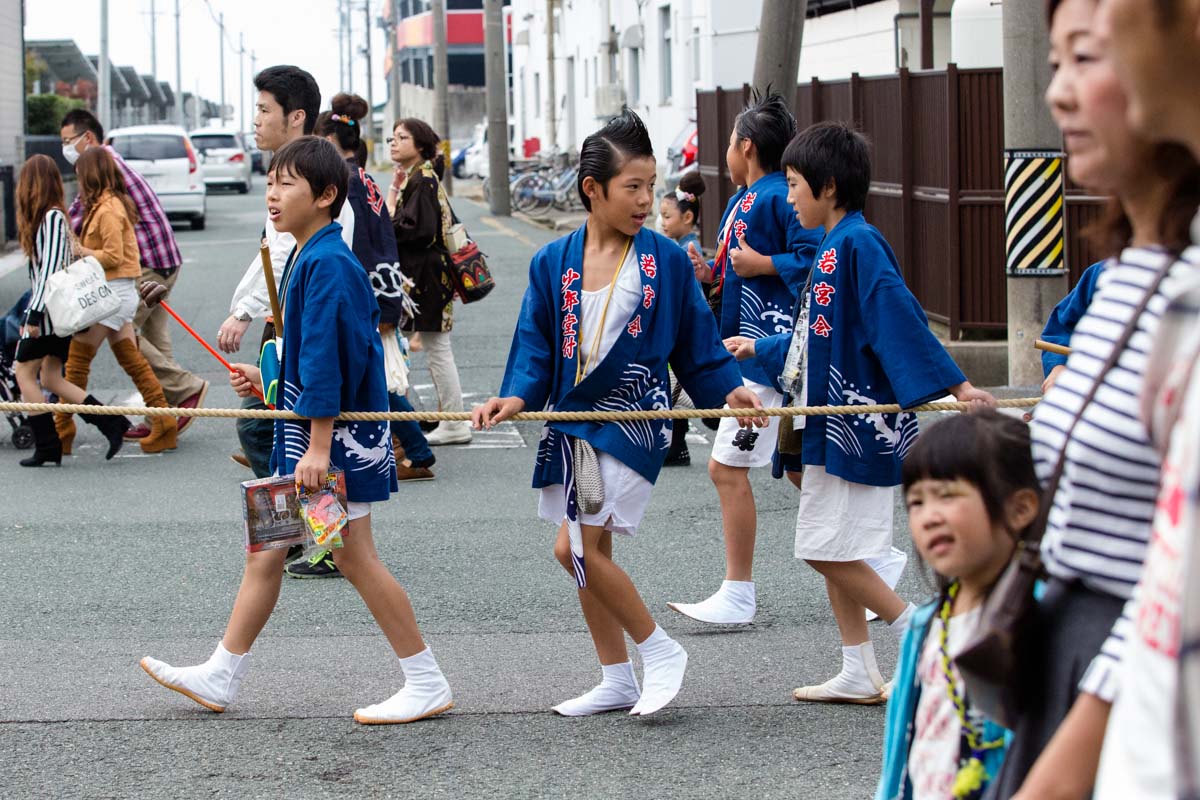
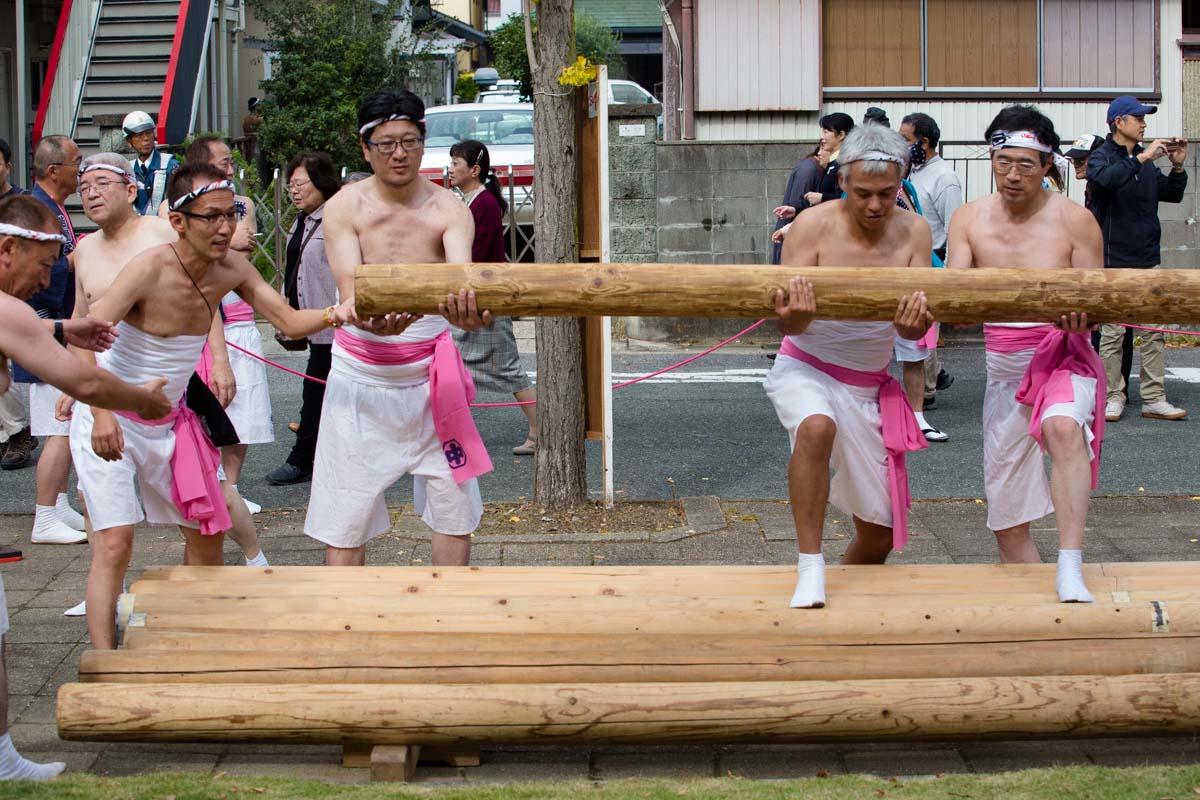
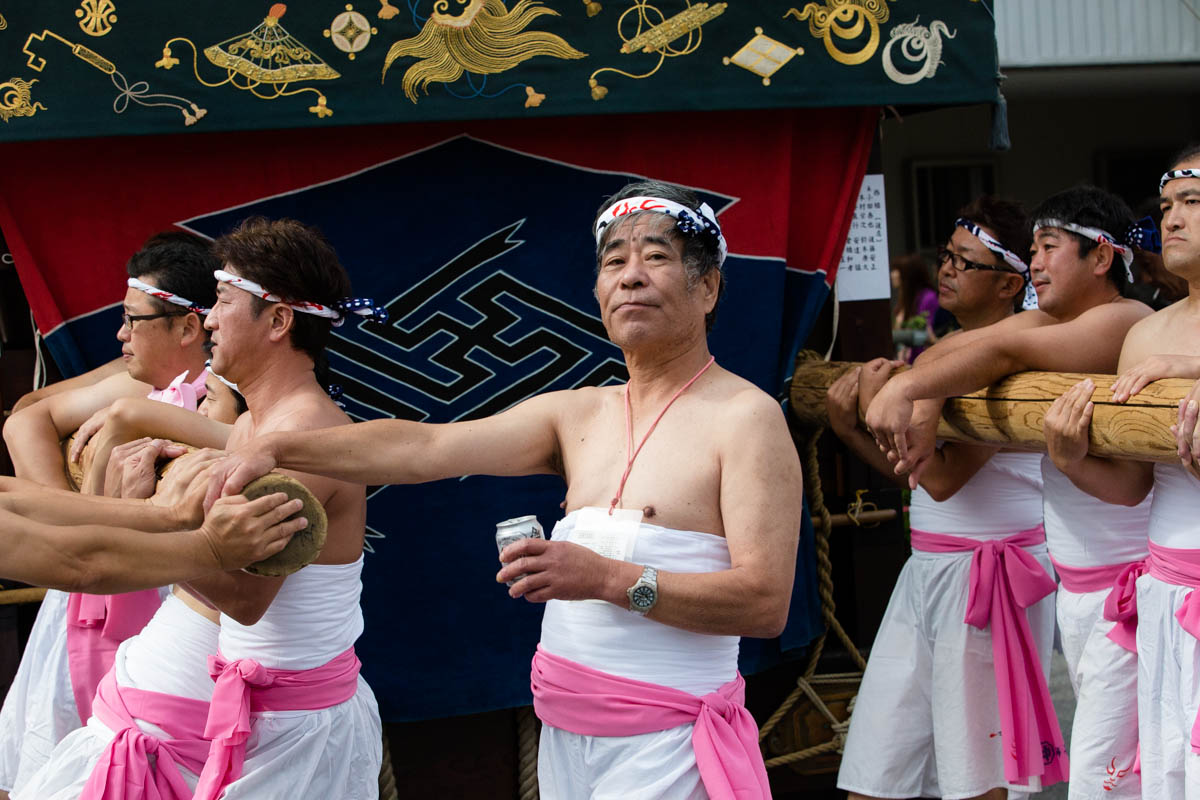
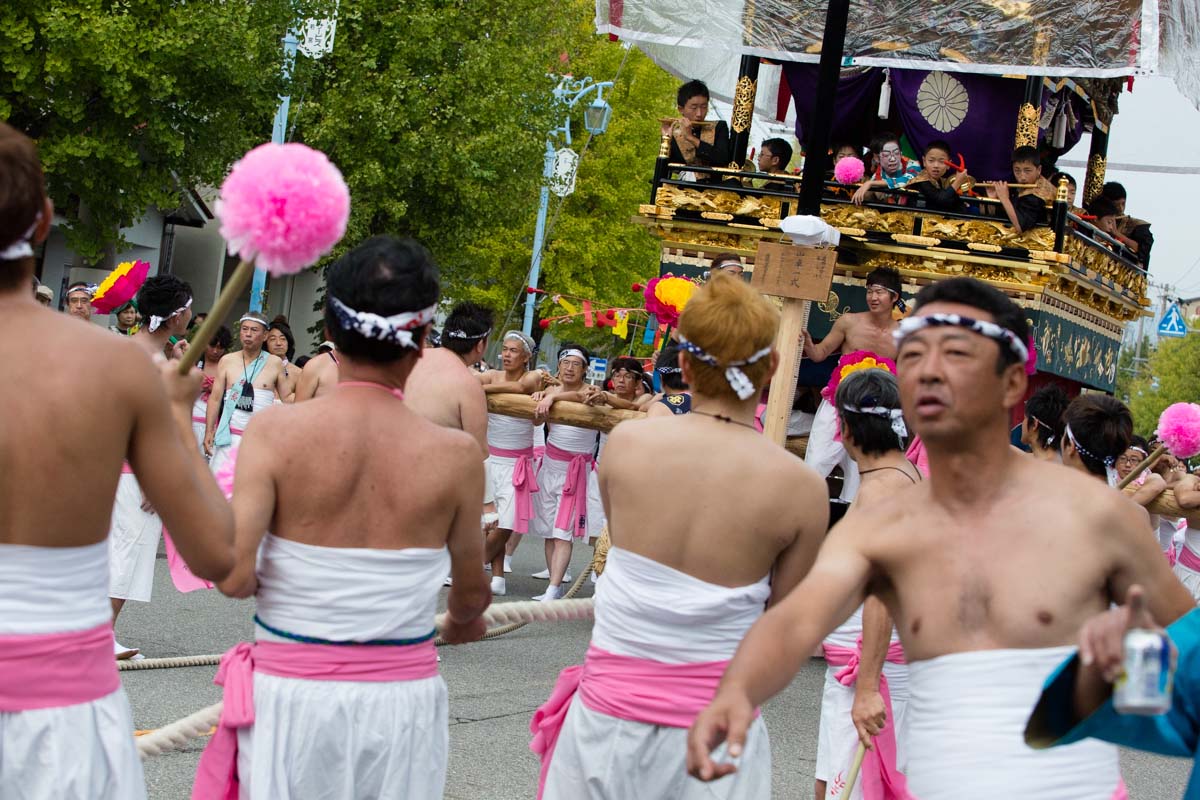
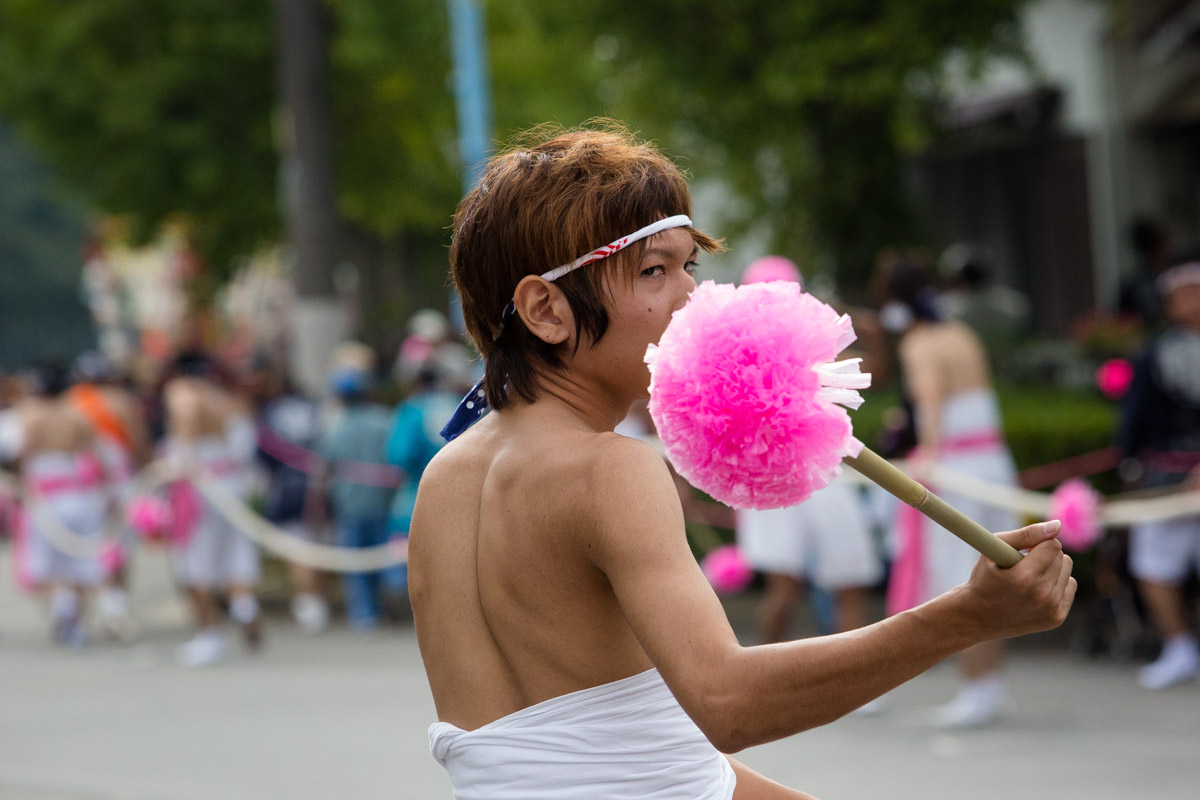
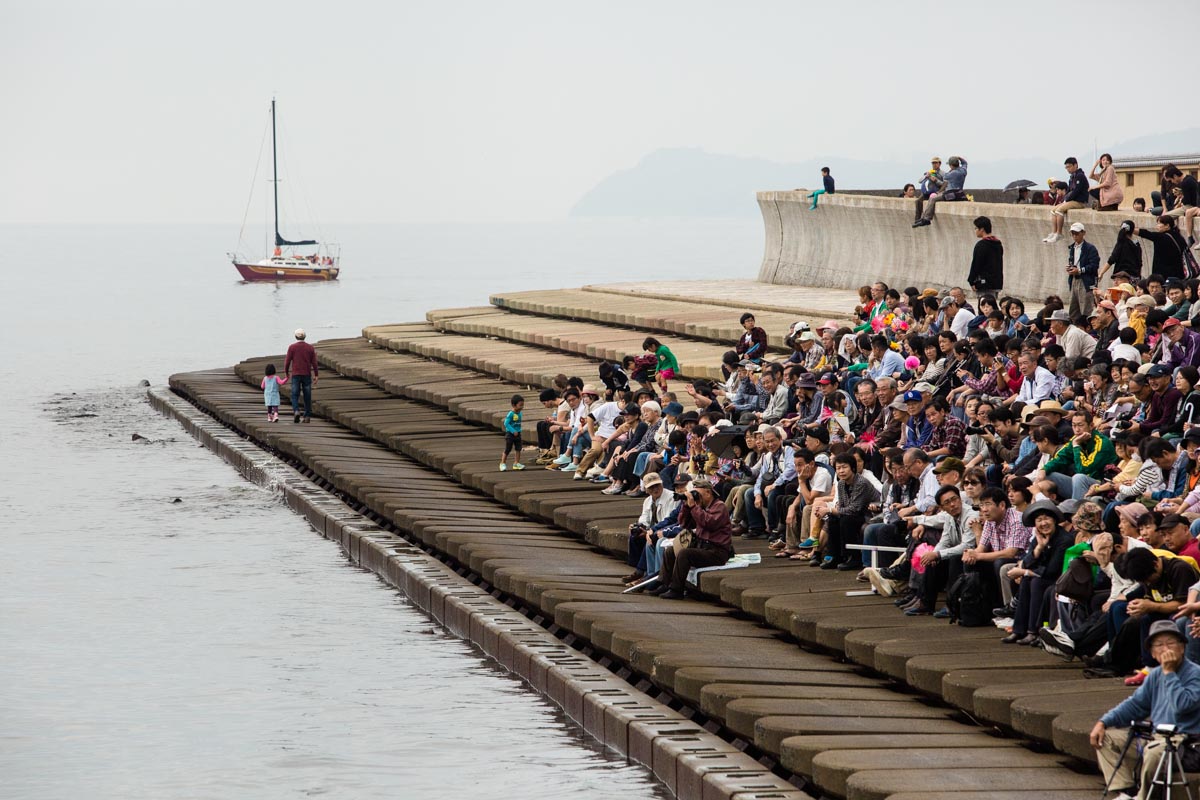
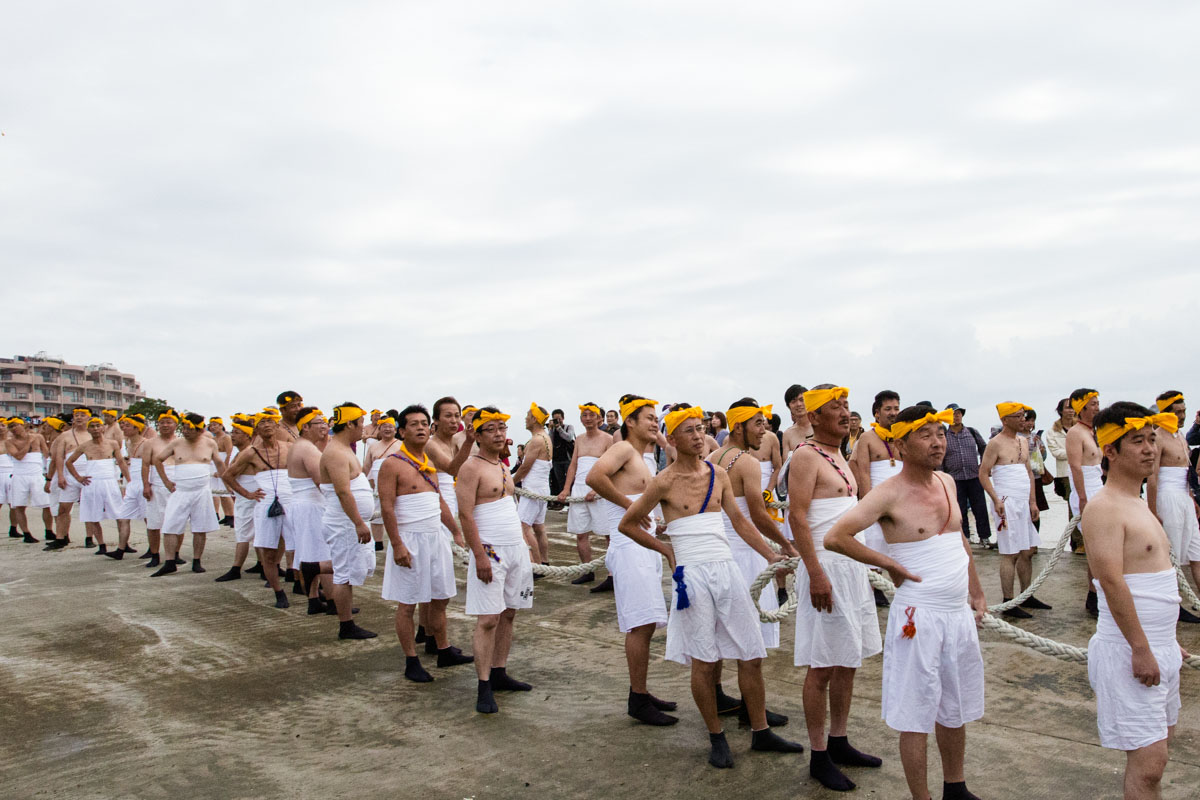
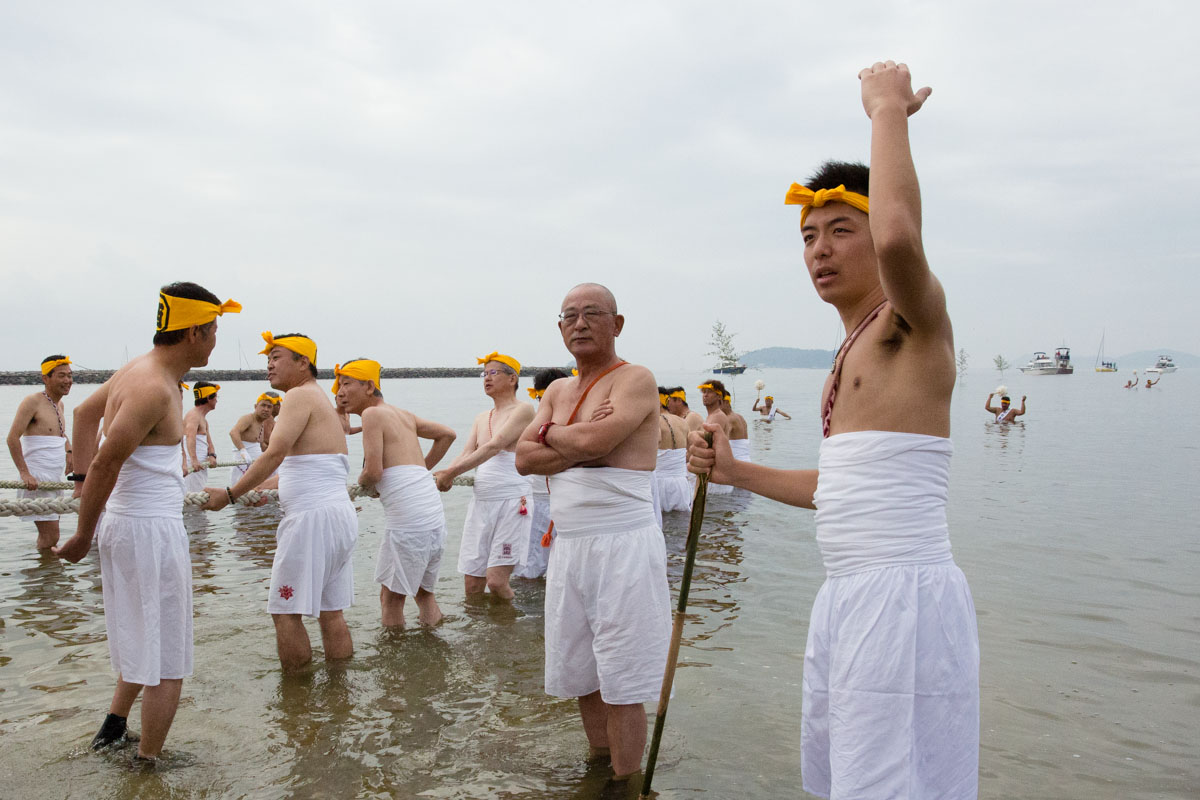
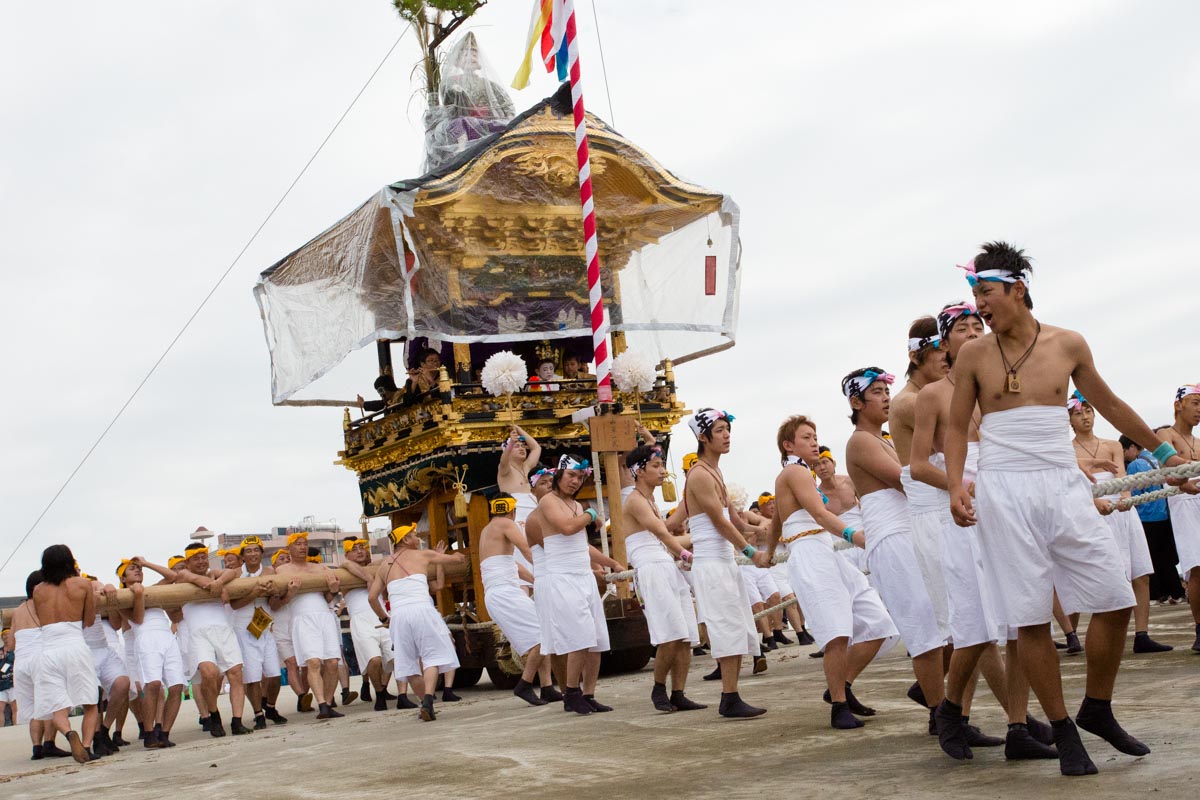
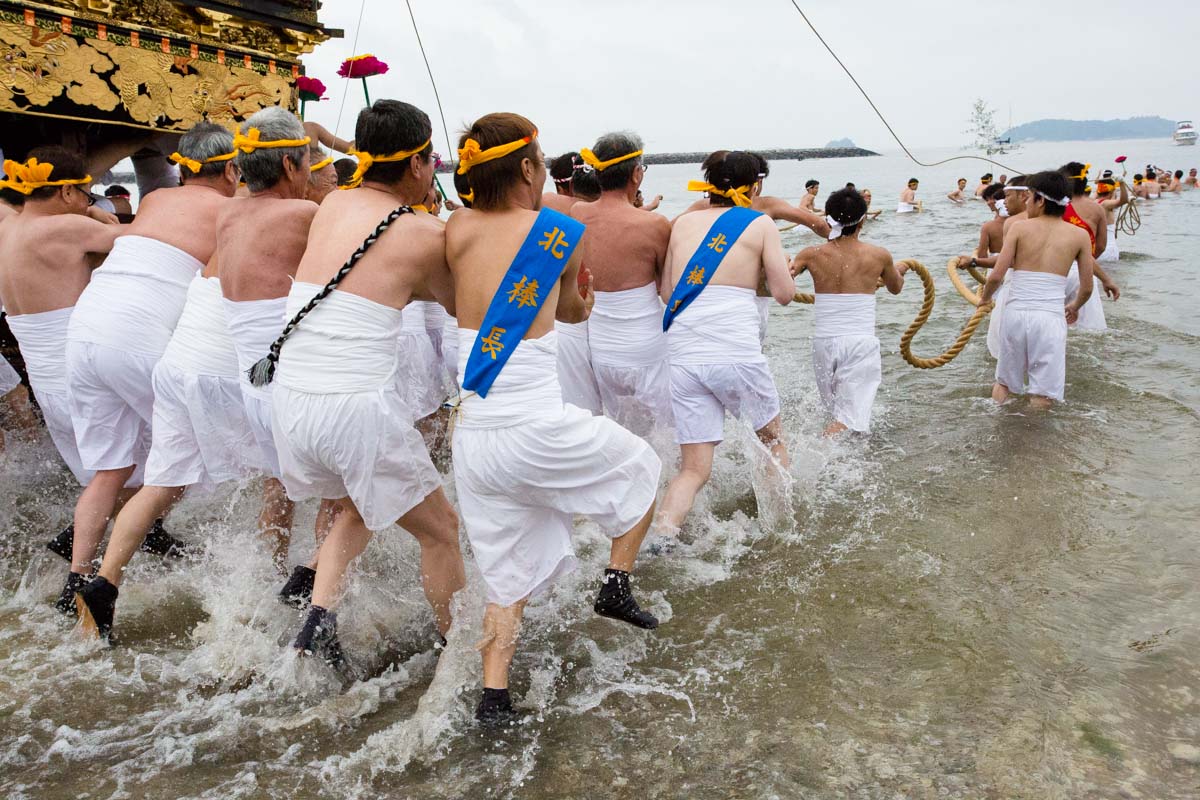
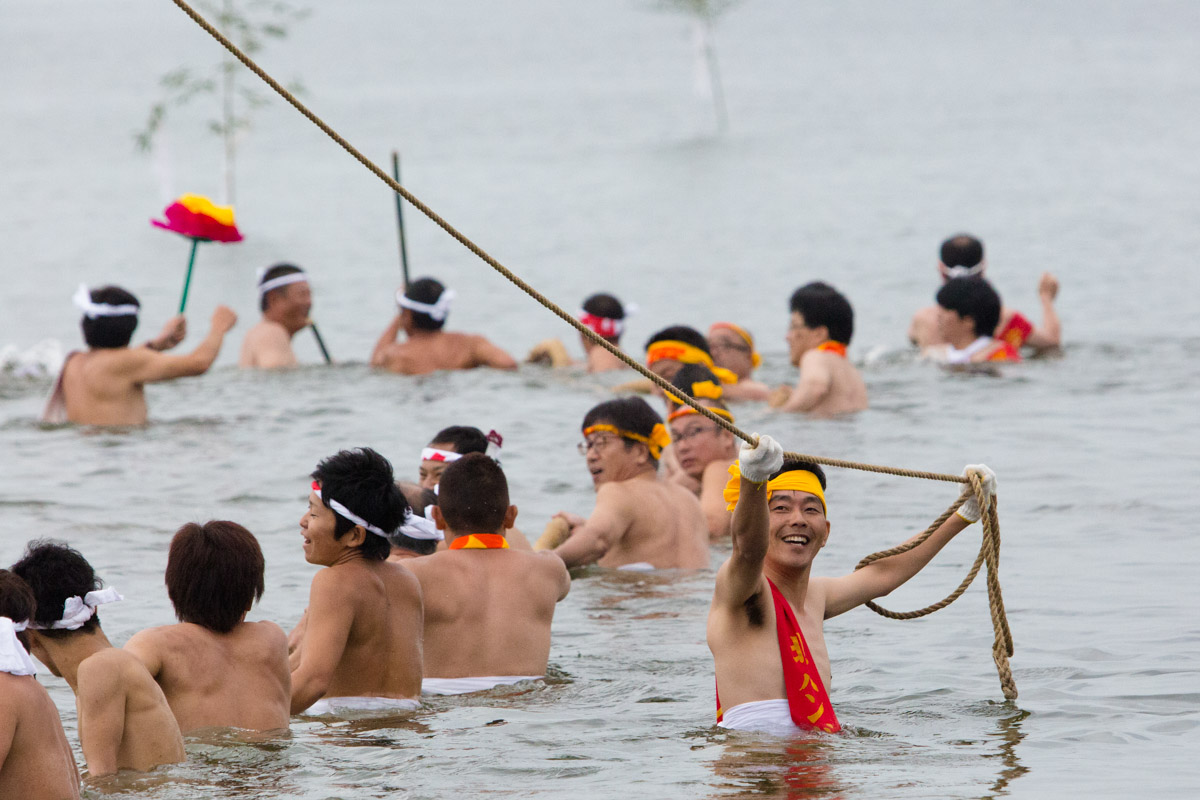
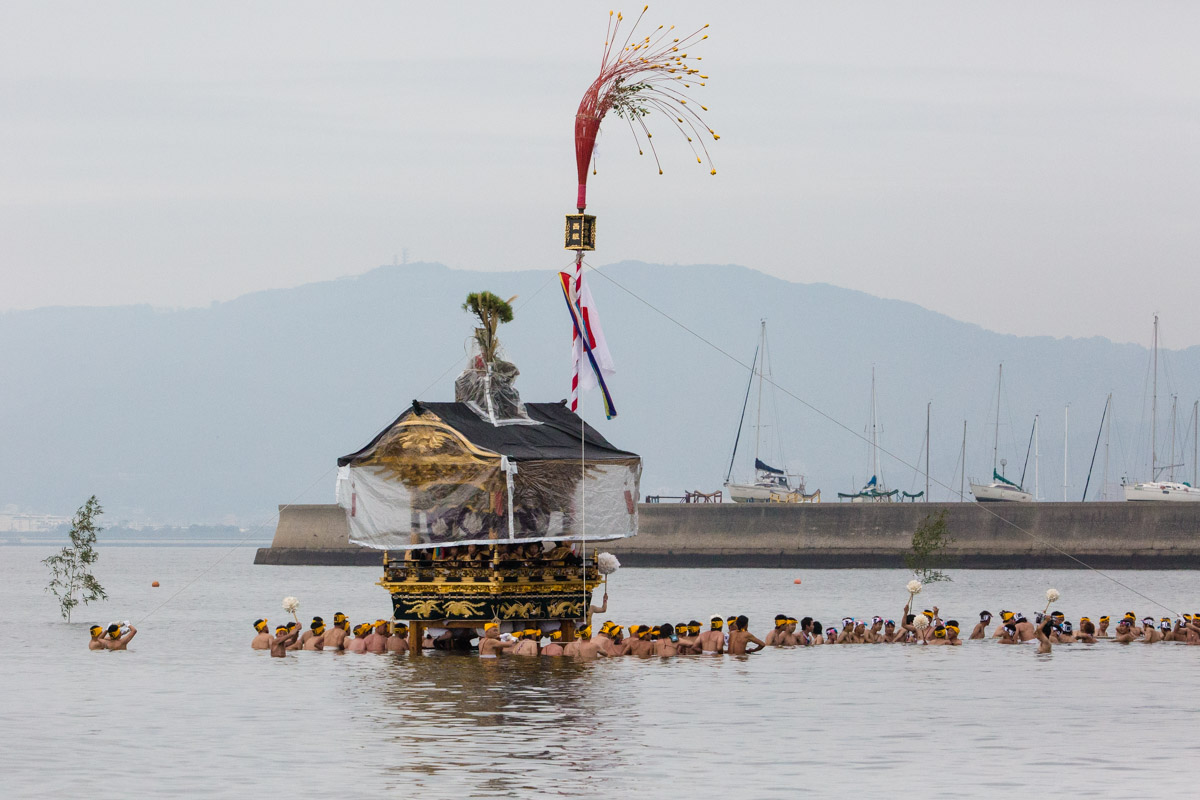
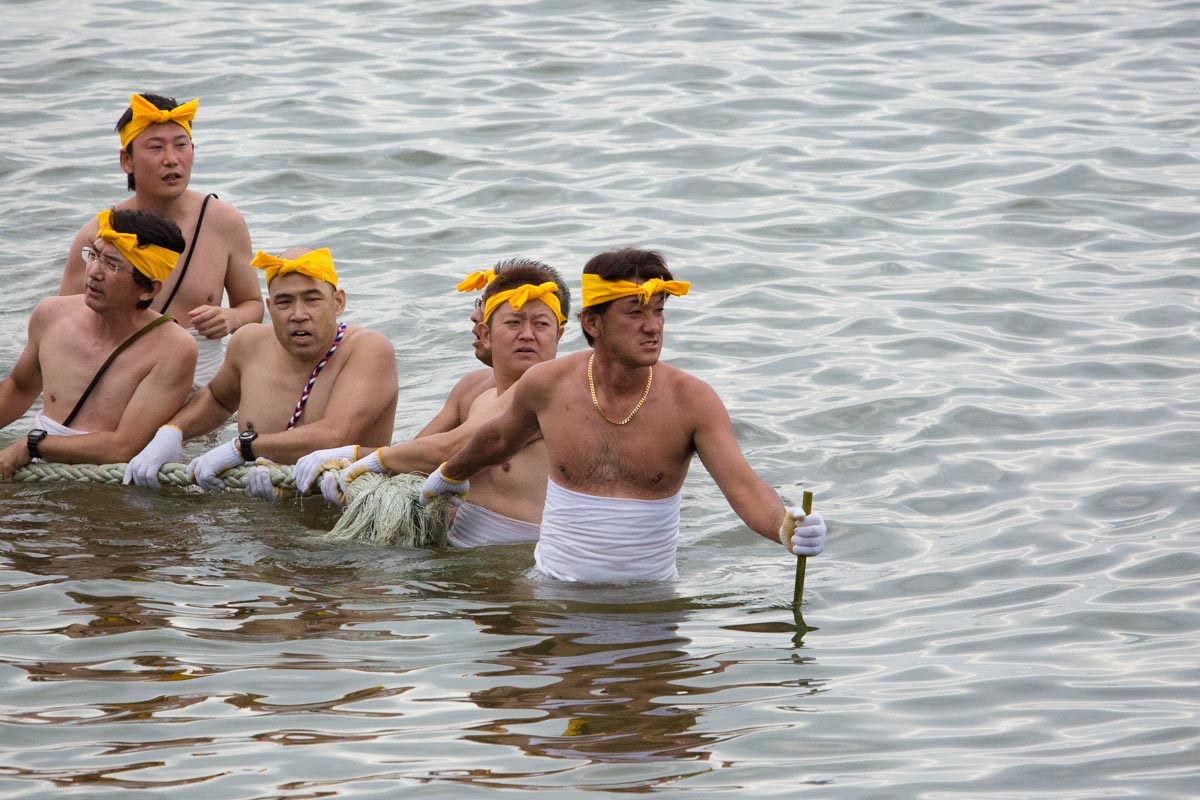
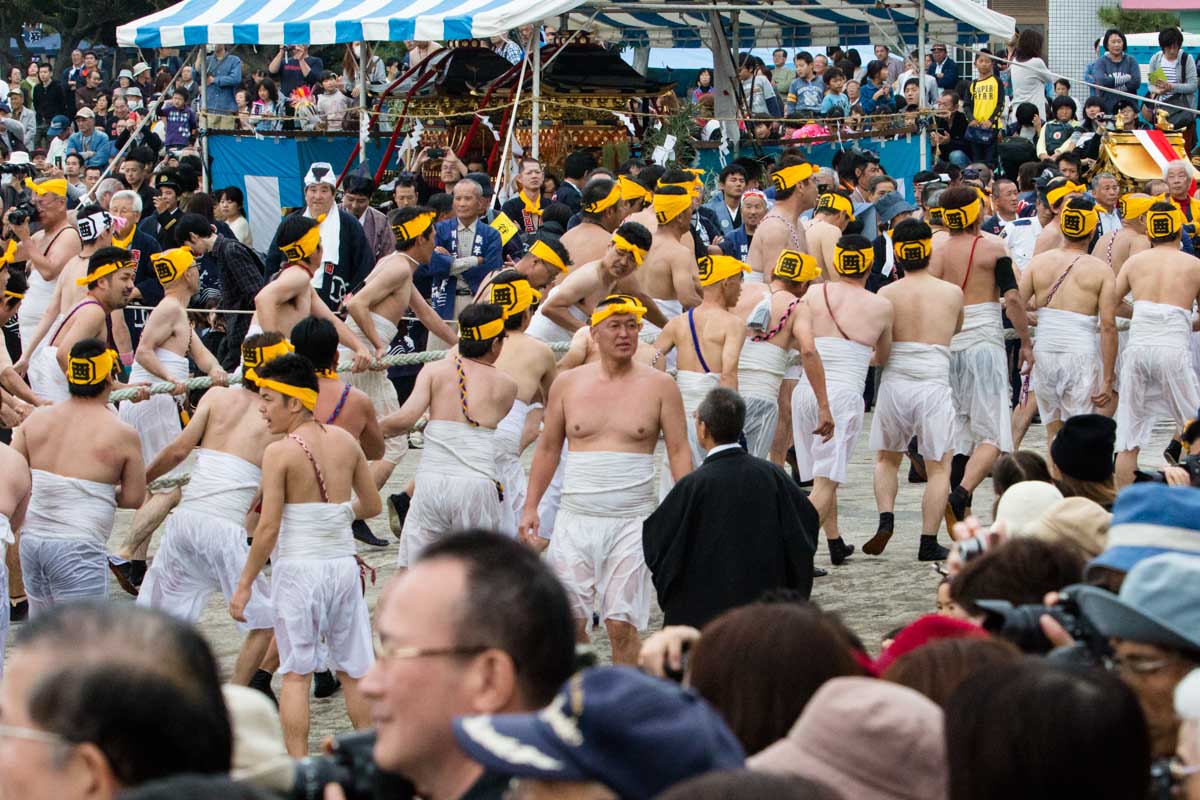
In the seaside district of Miya in Gamagori, four massive, ornate festival floats move slowly east through town. Teams of local men in white festival garb haul them onwards, their coloured belts and headbands marking them out by district as they pull on long, thick ropes and push against heavy wooden beams at the floats’ sides. Towering. Lacquered. Dense with carving. Even on land, their progress demands immense physical effort. Yet the mood is not grim. Among the younger men especially, there is laughter, banter and the charged energy of friends doing something difficult together. Then the shoreline comes into view, and the labour takes a strange turn. The same floats are pulled and heaved into the shallows of Mikawa Bay and forced through roughly 300 metres of water in the festival’s defining rite, the kaichū togyo – the sea crossing. Men lean their weight into the timbers, shouting as they force the structures forward against the drag of the sea.

In Miya, those floats are called yama. That matters. The wheeled festival float is commonly written 山車 and read dashi; here, the same characters are read yama – meaning mountain – a local usage that gives the structures a different symbolic weight. The name points towards the mountains where the gods are believed to reside, and helps explain why these floats feel like more than conveyances in a procession. They are extraordinary things to look at: giant gold-and-black constructions dense with carving, their bodies ranging from about 5 to 6 metres in height, their pillars rising higher still. They are towering presences in their own right – part architecture, part ritual object, part public test of strength. Four make the crossing today – the Sword Float, the Ebisu Float, the Triple-Umbrella Float and the Flower Float – each belonging to a district, each with its own look and history. Their construction assumes the sea: broad pine wheels, known as koro, help them move when partly submerged, while long wooden side beams, set at right angles to the direction of travel, allow men to push, guide and steady them in the water. They are large enough to hold children, who help welcome the gods with music and song as the procession moves on.

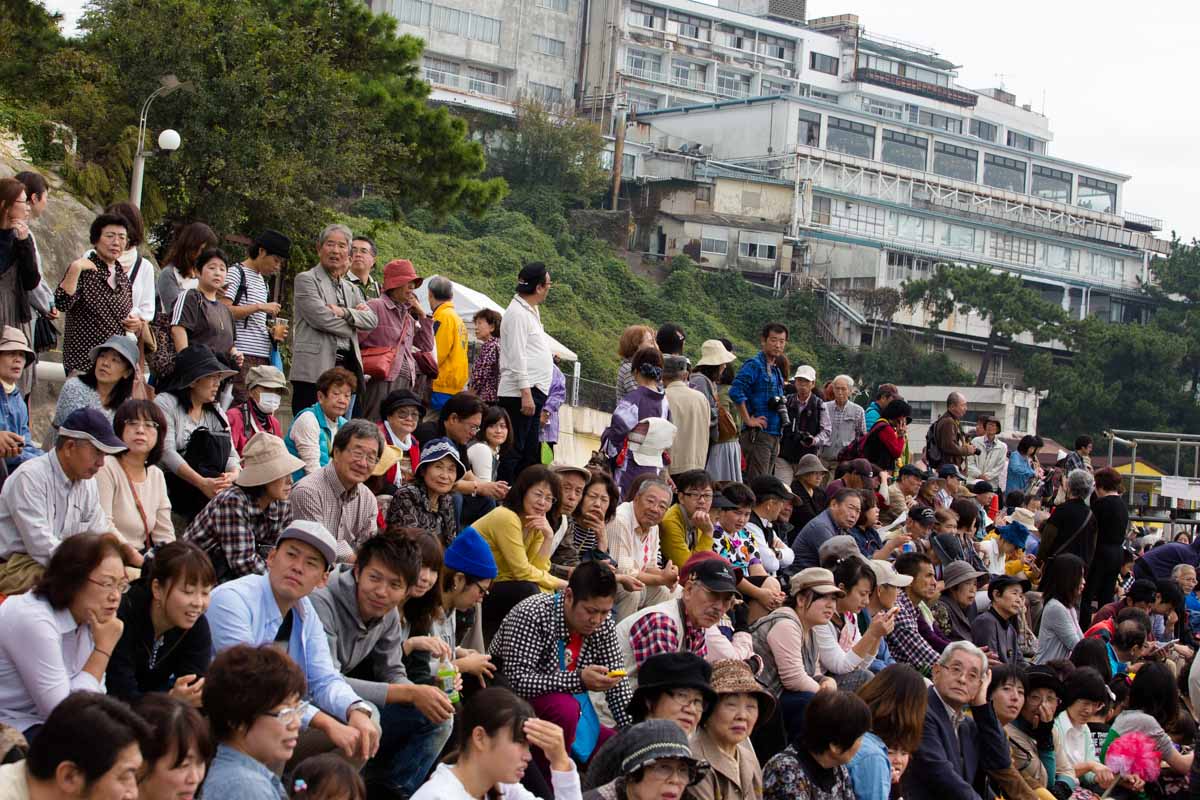
Miya Matsuri is the joint grand festival of Yatsurugi-jinja and Wakamiya-jinja in what is now Gamagori City, and it has been building towards this moment for more than three centuries. Six districts take part, each with its own duties, performances and place in the ritual order of the day. Children dance. Young men haul and perform. Older hands preserve the form and carry it on. From a distance, it is easy to see why outsiders have long called it one of Japan’s strange festivals. Up close, that description feels too shallow. At its heart, the Miya Festival honours the local deities through a ritual procession between the two shrines while renewing the traditions, identity and solidarity that bind the community together. The sea crossing is where that sacred purpose – and the town’s labour, nerve and pride – becomes visible.

Its origin sits at the meeting point of legend and record. City and festival histories trace the beginning to 1696, when the village headman Takeuchi Sazaemon dreamt that Yatsurugi-Daimyojin, the main deity of Yatsurugi-jinja, had travelled east to Wakamiya-jinja. He took the dream as divine instruction and arranged a procession. The earliest surviving record of the festival as a village-wide event comes later, in 1712. By around 1800, official history says, the festival had grown into something close to its present scale: districts competing to build ever more splendid yama, hauling them through the sea, and offering kagura, dances and entertainments under a strict ritual order. The same history says the floats were thought to have been influenced by Kyoto’s Gion Festival.

That long development can still be read in the floats themselves. The four that enter the bay are the survivors of a local arms race in craftsmanship and display – large, painted, carved and built to dominate the eye even before they reach the water. Official sources describe the sea crossing as the festival’s greatest attraction. Around 200 participants, called ujiko, haul each float into the bay after the signal, with shouting, spray and the drag of the water turned into part of the ceremony. The point is not merely that the yama are beautiful. It is that they are beautiful under strain – dragged from shrine to street, from street to shore, and then out into the shallows where, by any ordinary logic, they should not be.

Enjoying the article?

Sorry to interrupt. If you’ve been enjoying the article, I’d love for you to take a brief detour to Instagram and follow @thadpope. The link opens in a new window, so you can follow the page and then return here straight away to continue reading. Thanks for the support.

Follow @thadpope on Instagram ↗︎

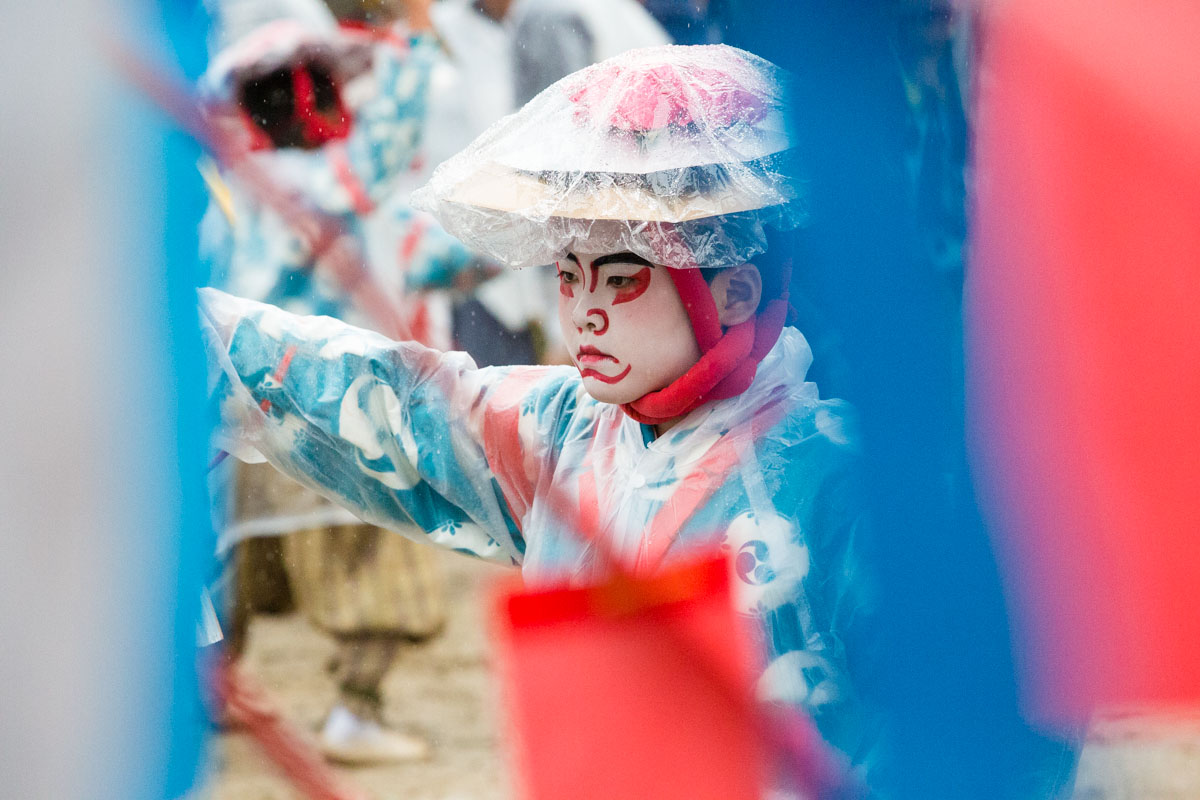
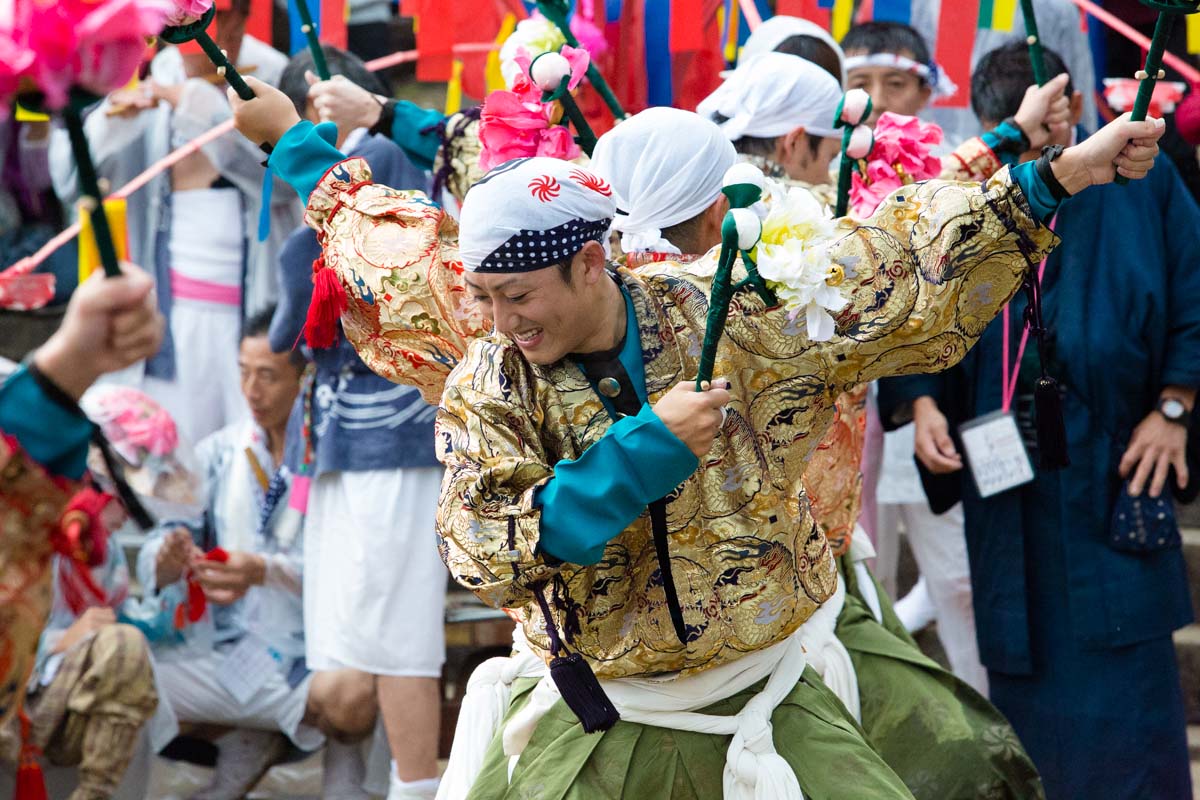
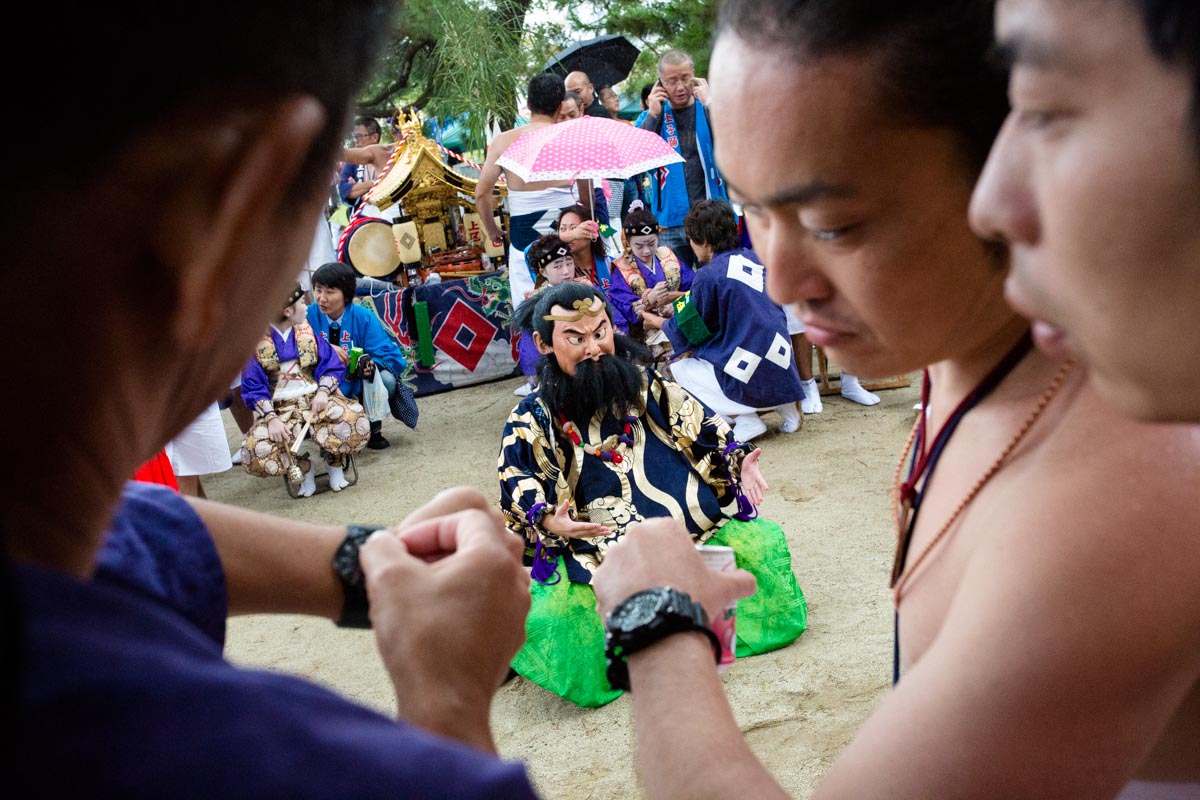
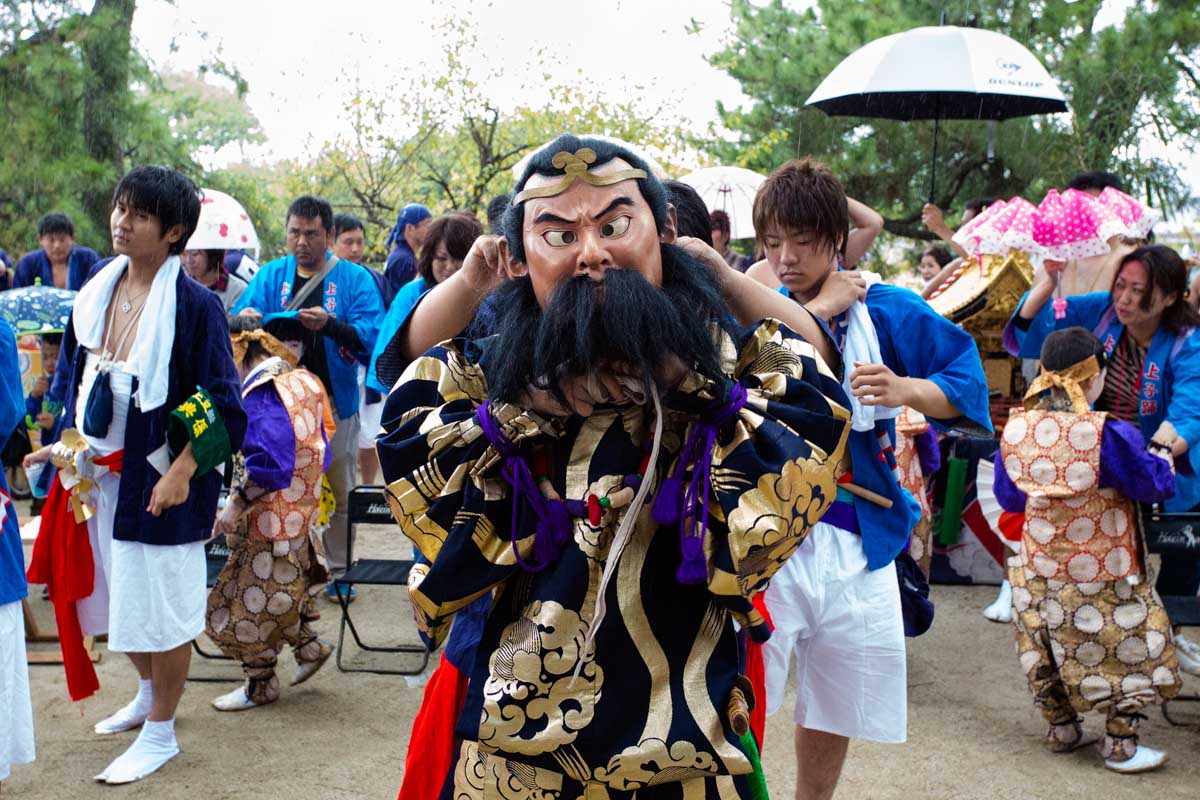
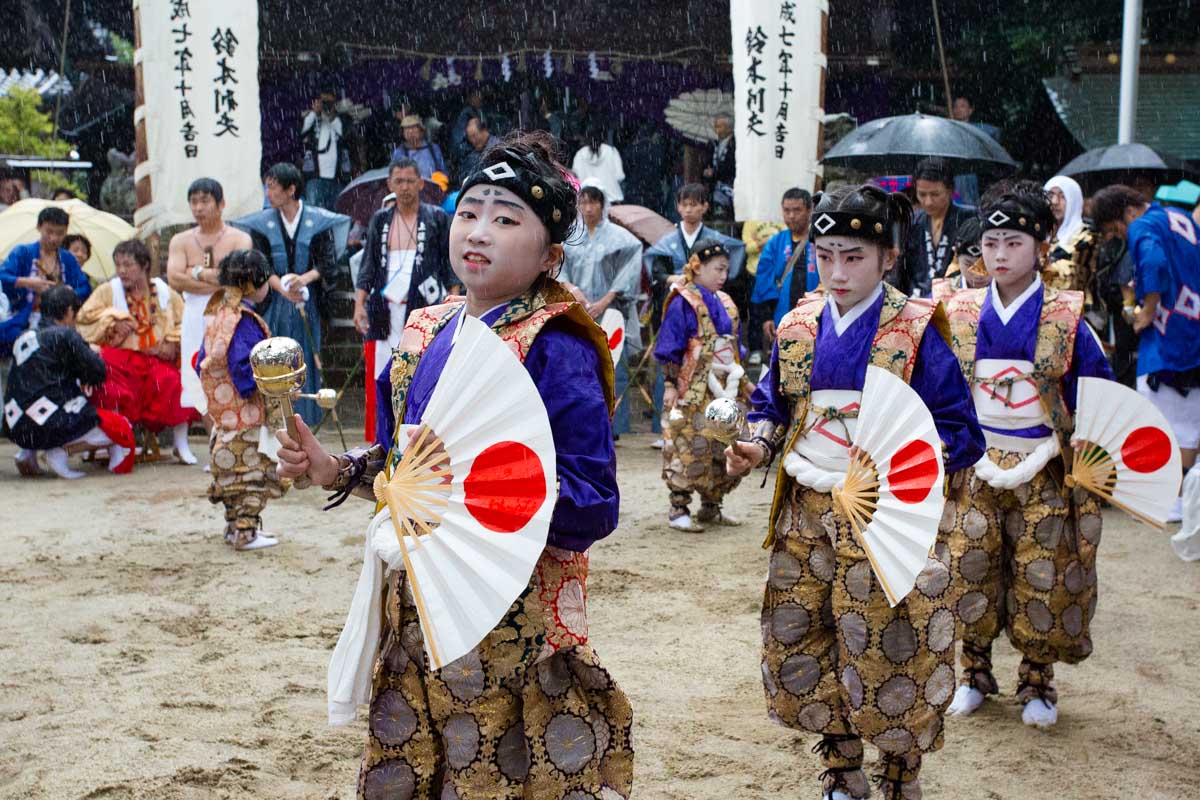
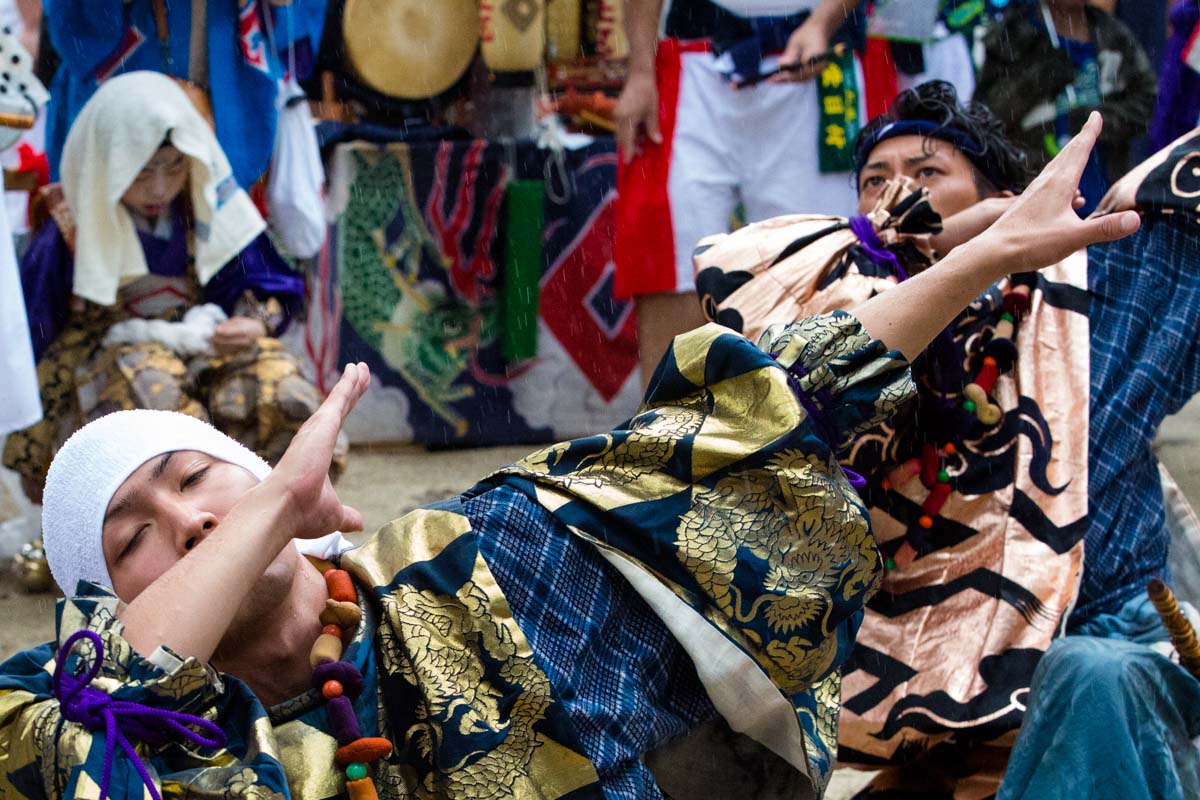
Only after the floats emerge from the bay and the procession reaches Wakamiya-jinja do the dedication performances begin. Officially, they start shortly after noon, led by Matsu-ku’s kuguri-daiko, then proceed in order through the other districts – Age-ku, Higashi-ku, Nishi-ku, Kita-ku and Naka-ku – whose offerings include the Susanoo dance, children’s dances, kagura, a daimyō procession, yakko, the samurai attendants, shichifukujin and renjishi, the lion dance. These performances are beautiful, precise and deeply rooted in district identity. Their force lies partly in that sequence: once the heroic labour of the sea is over, the festival turns from brute effort to ritual display.

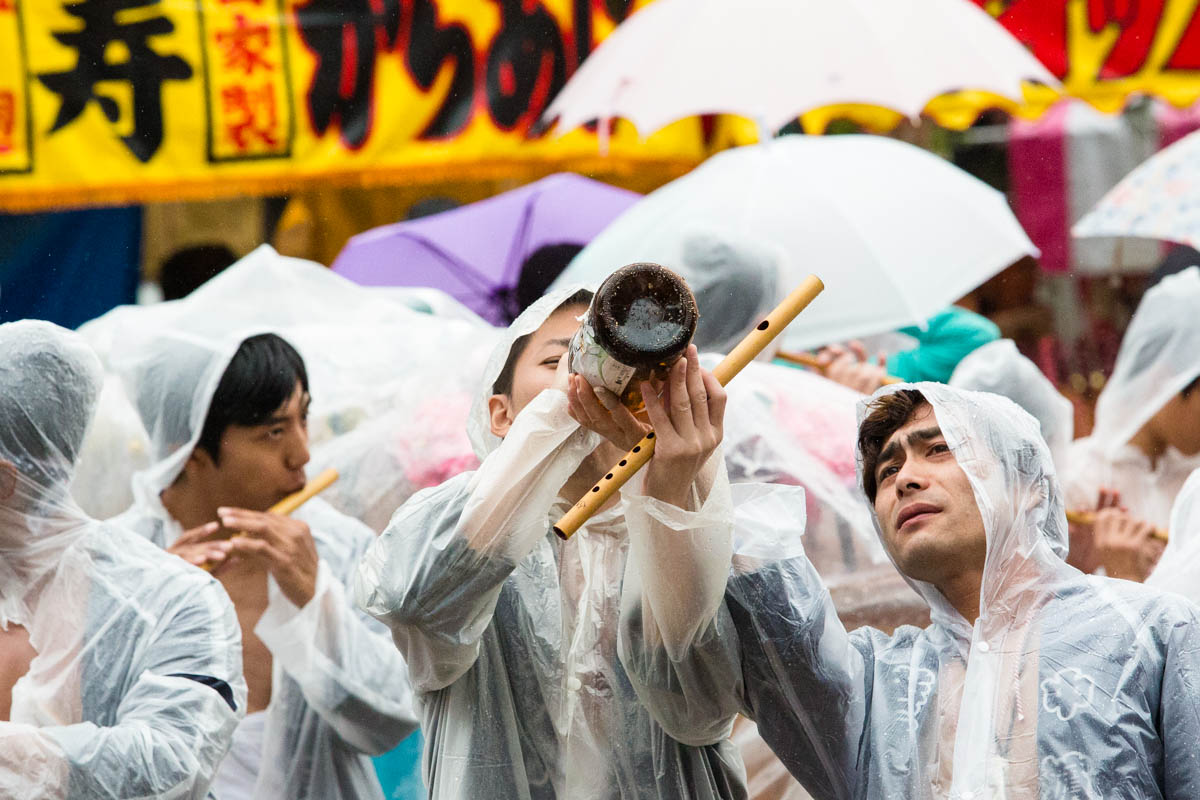
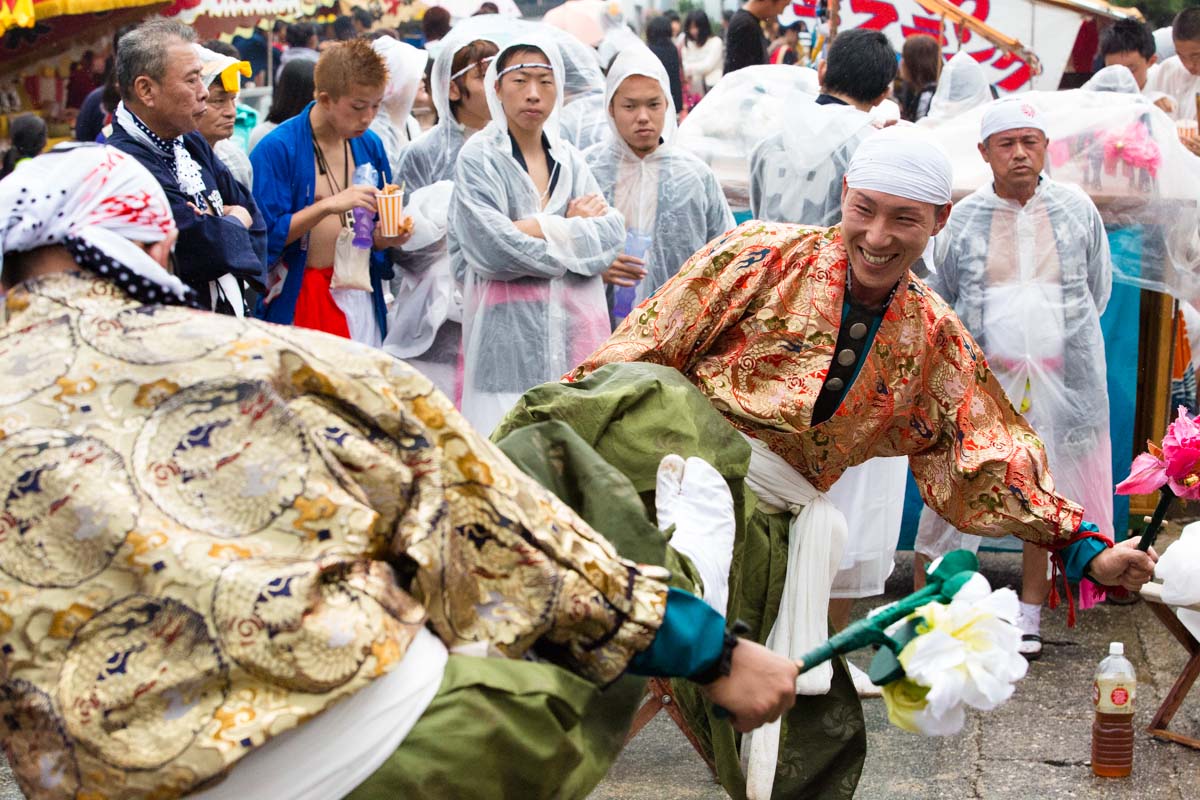
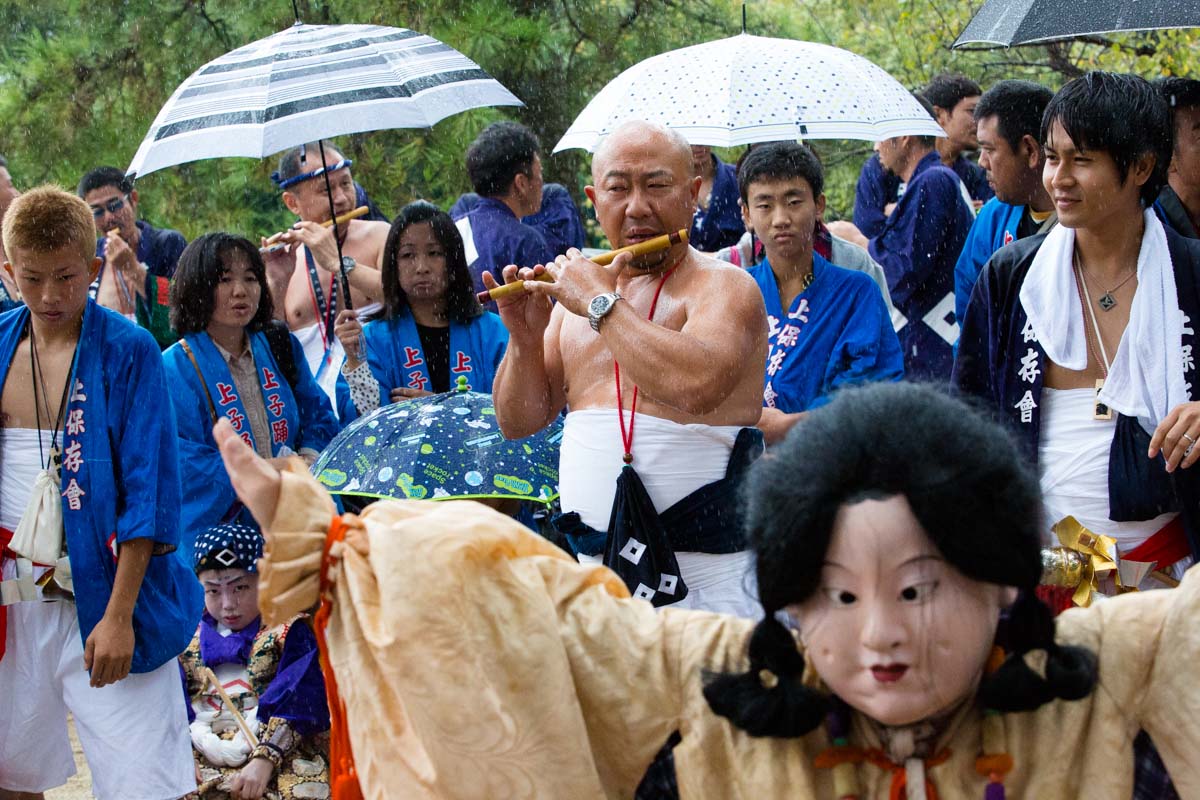
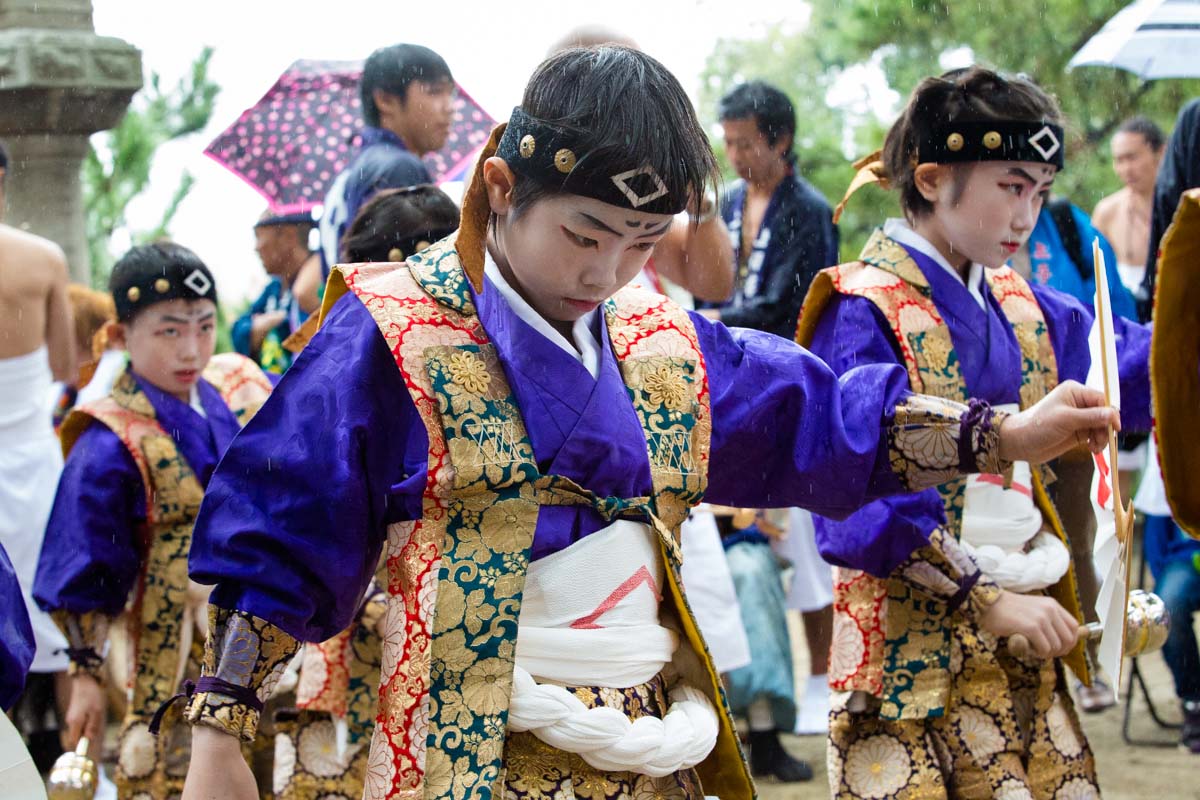
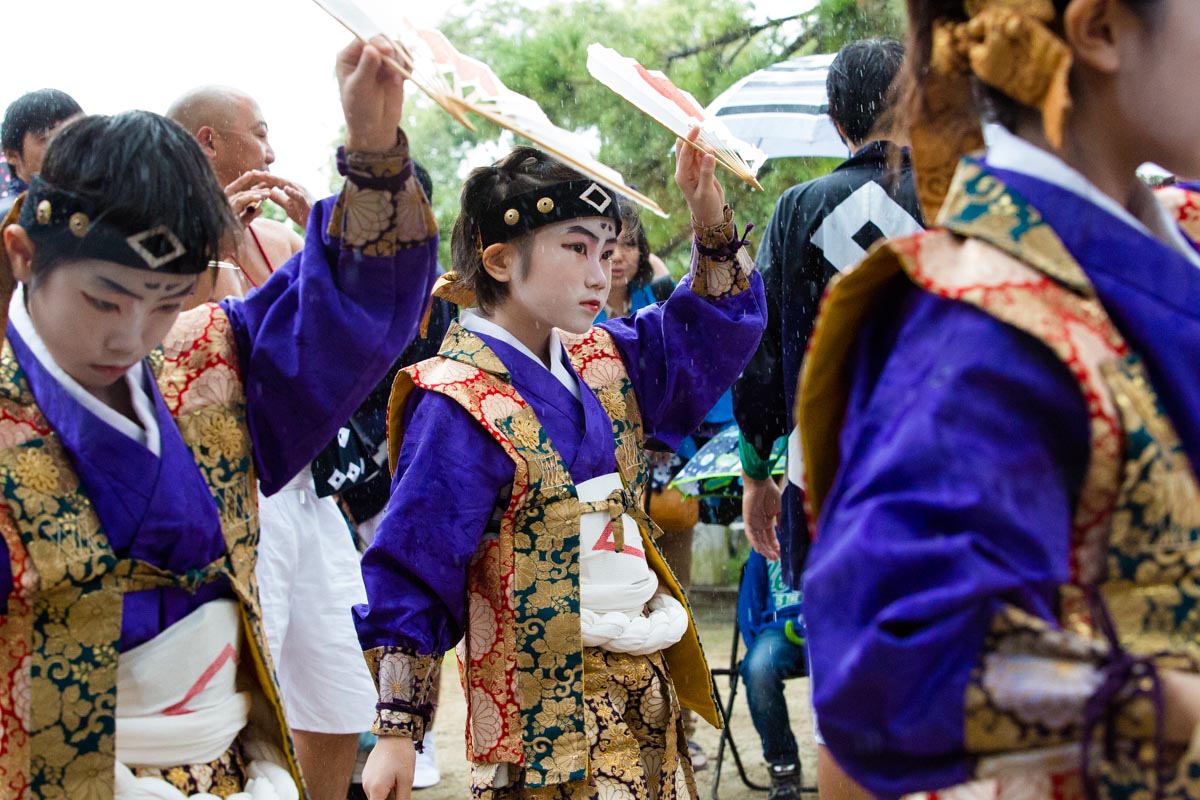
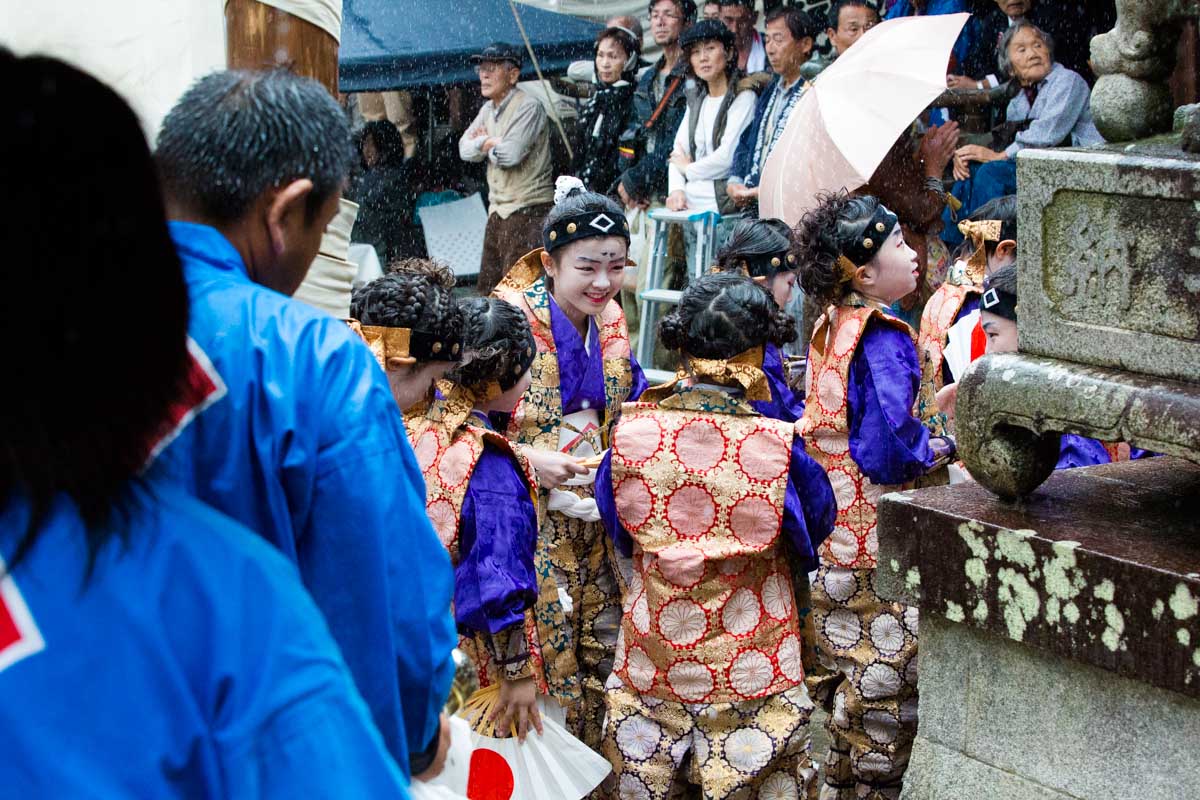
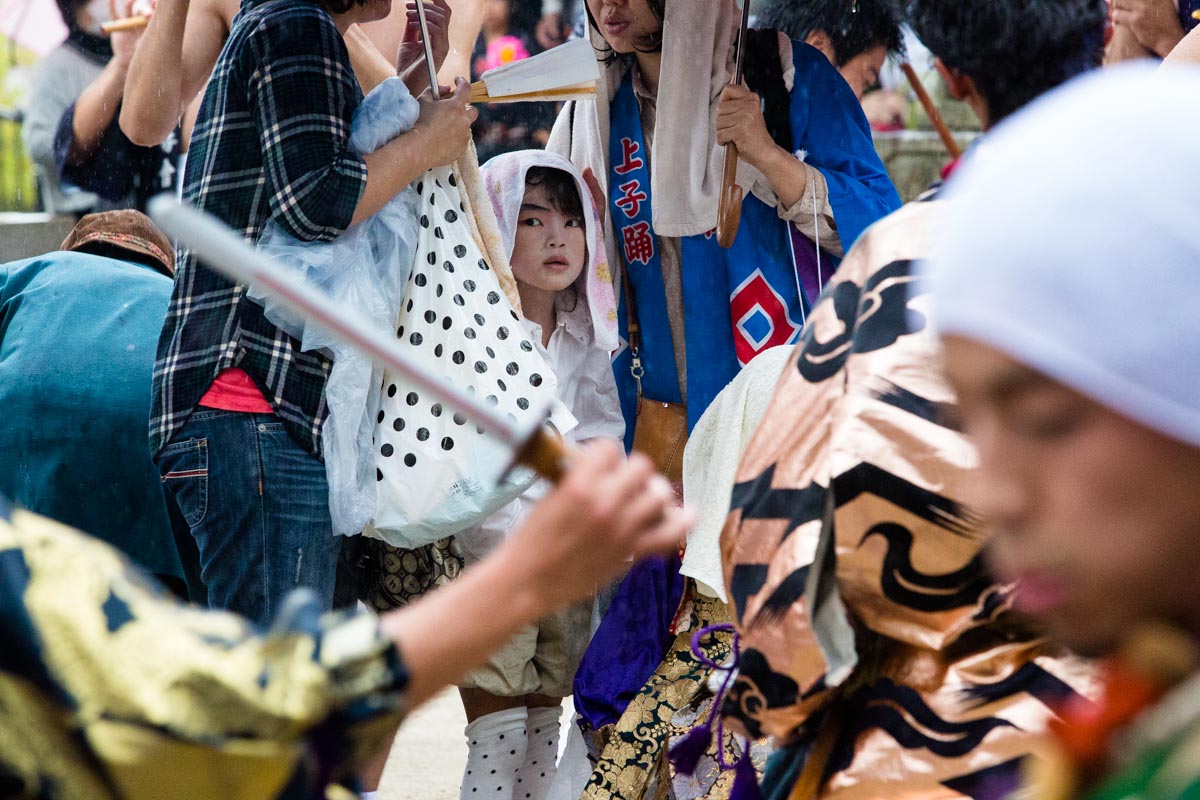
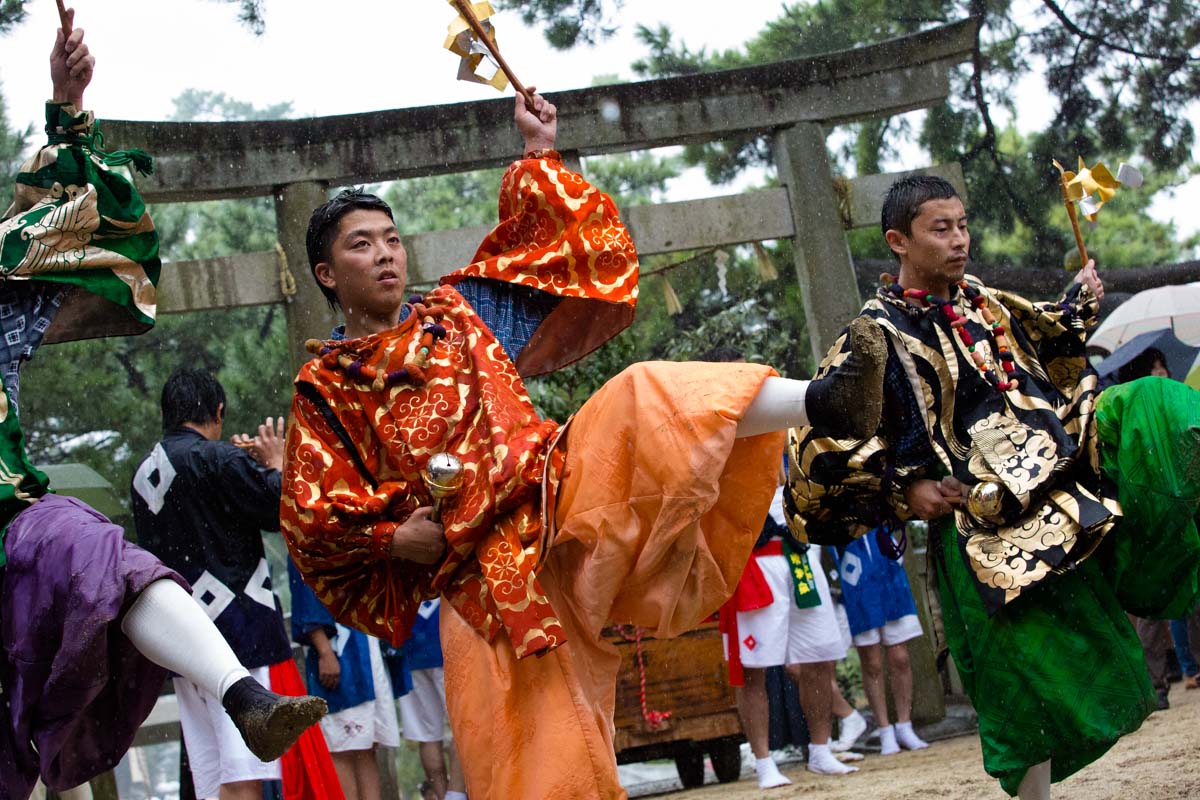
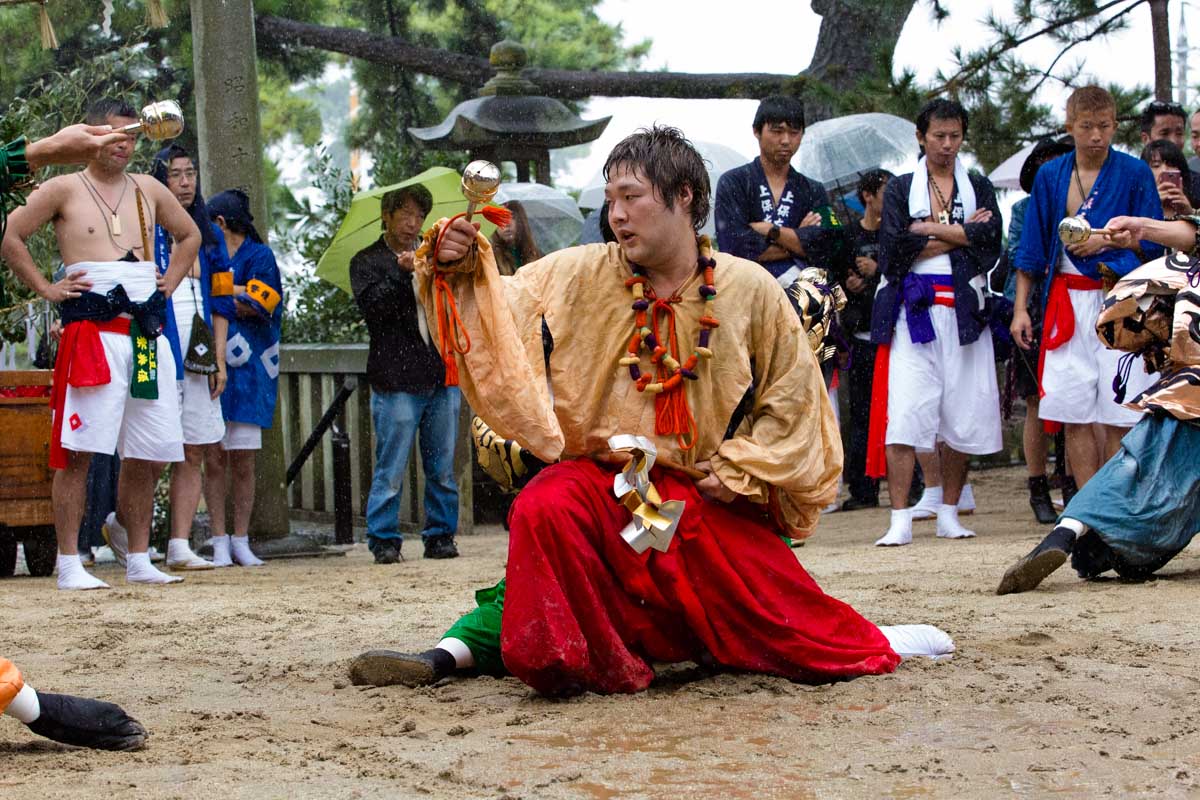
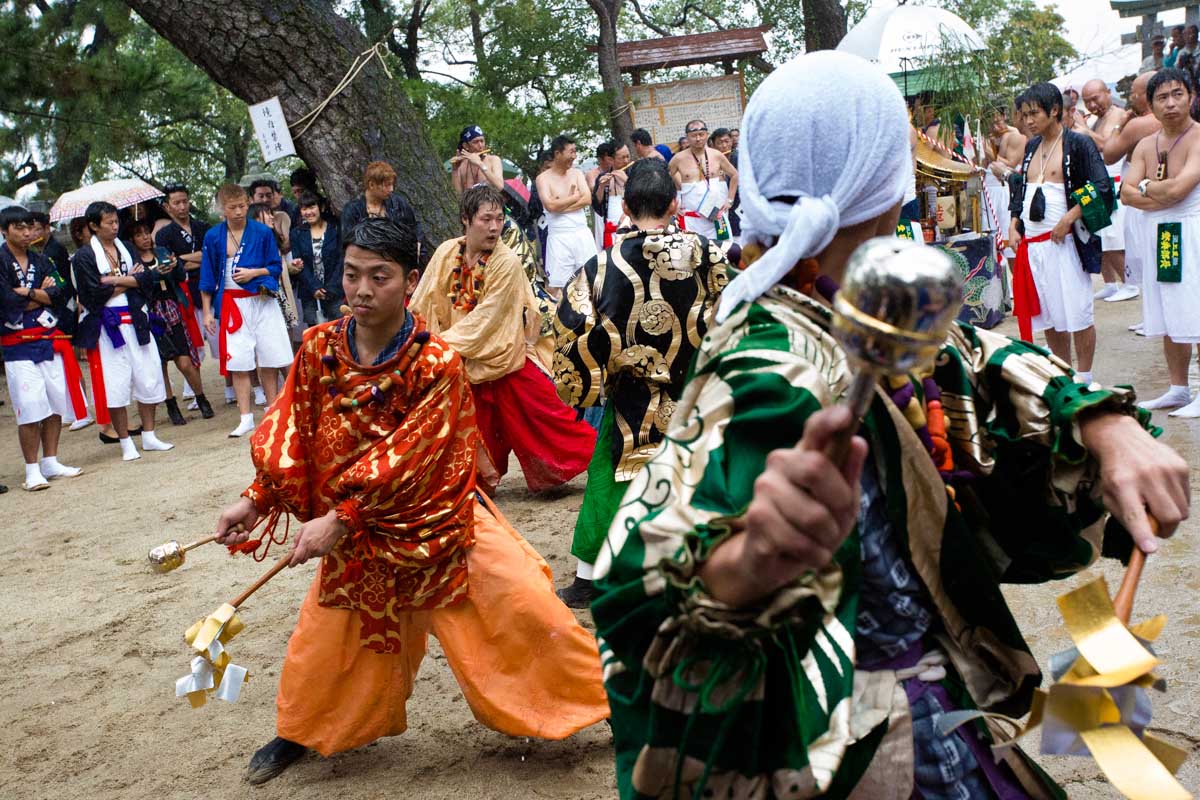
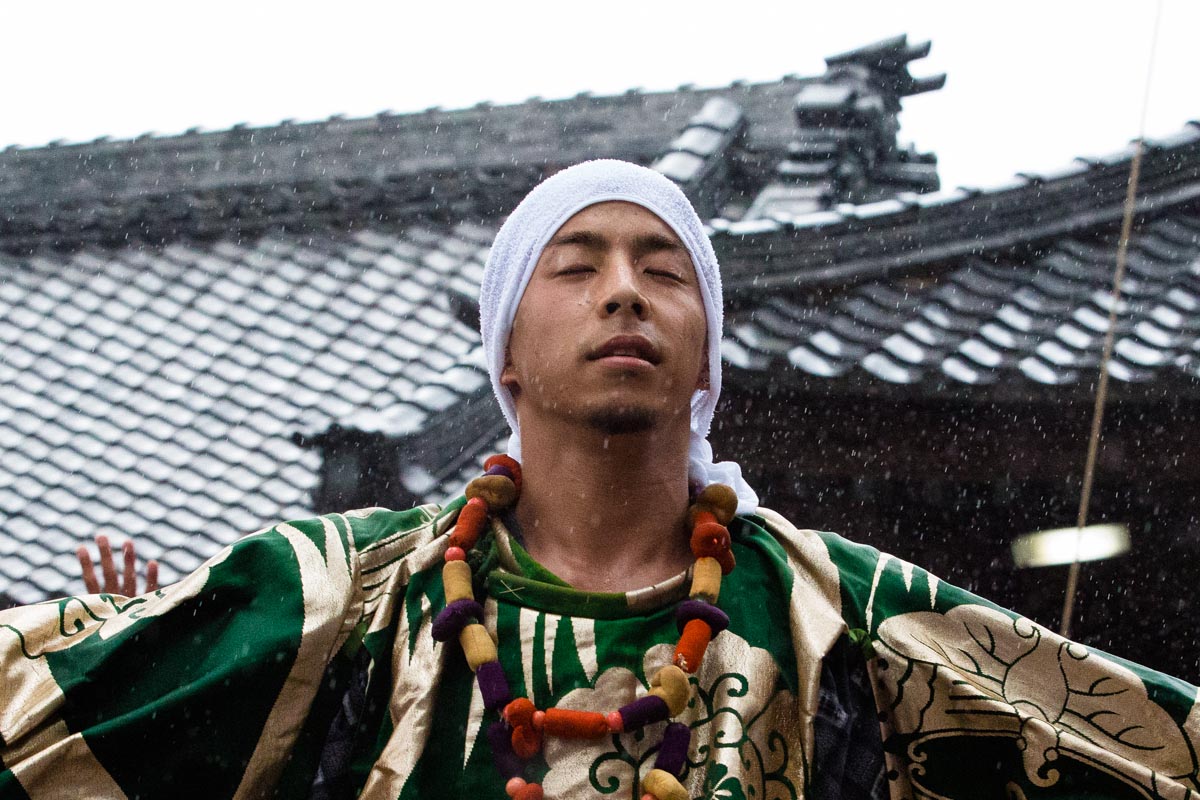
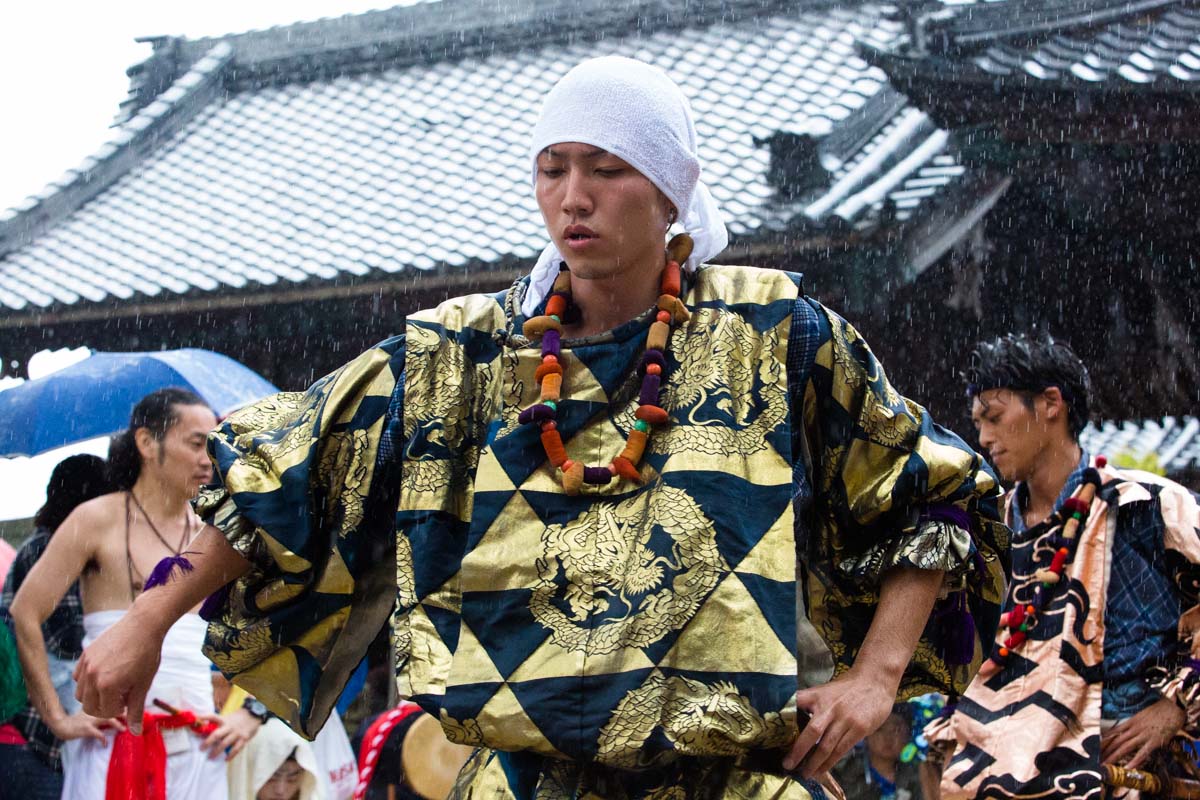
This was when the weather broke. By the time the performances were under way at Wakamiya-jinja, the rain was torrential. Thunder rolled over the shrine grounds. The sandy surface underfoot turned dark and soft, then patchy with standing water, then pocked with broad puddles. None of it seemed to alter the temper of the festival. Small children kept moving through their fan dances. Young men carried on with routines that involved bells, swords and other ritual implements. The crowd did not thin. Even the food stalls held their ground, still serving baked potatoes, chicken-and-leek yakitori and corn on the cob into the storm.

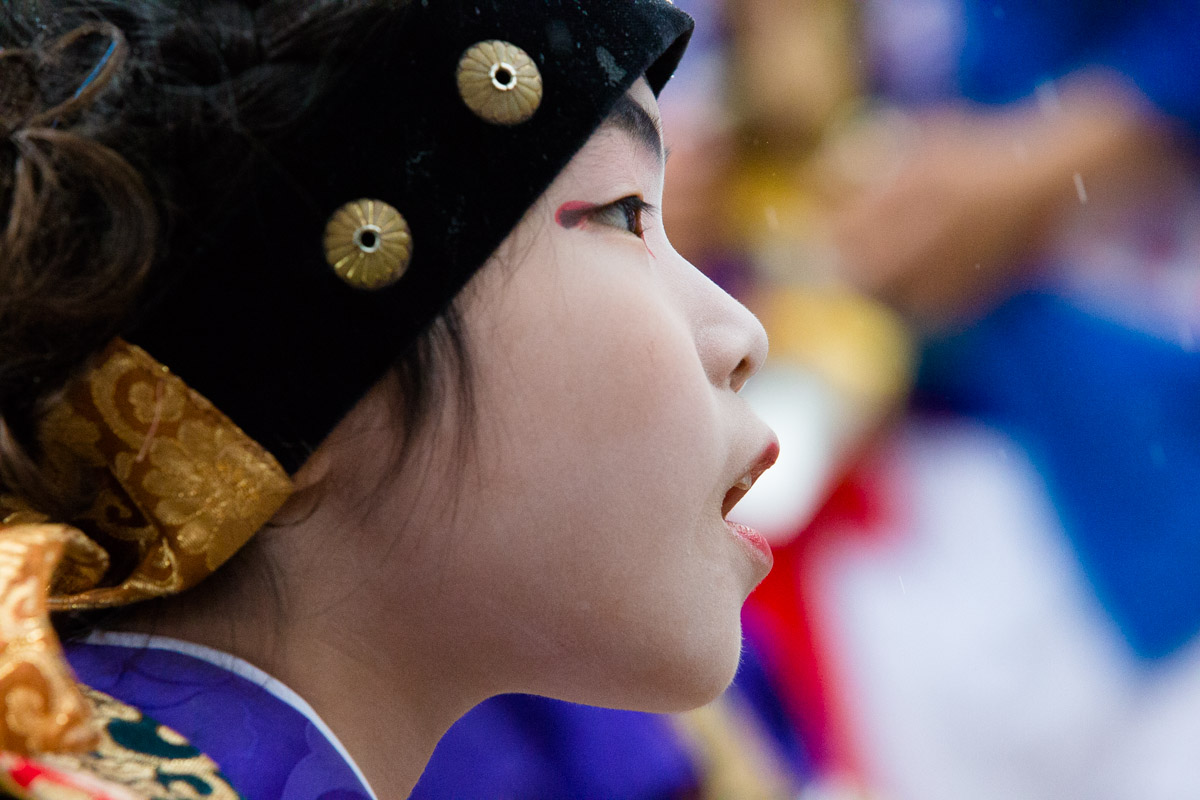
The timing made the rain matter. The headline spectacle had already happened. The floats had already crossed the bay. If people had come only for the famous image, this was the natural point for the day to slacken. Instead the opposite happened. The performances took on a harder edge. The young men did not look self-conscious. They looked intent. Small children kept dancing. The crowd stayed. Nothing in the scene suggested costume or novelty. What continued in the storm was not just a programme of events, but a willingly assumed obligation.

That helps explain why the festival’s continuity matters so much. It has not survived in an unbroken line of picturesque inevitability. The sea crossing disappeared after 1960, when reclamation work along the coast, following the Isewan Typhoon era, altered the shoreline near Wakamiya-jinja. It returned only after sustained local determination – first with a one-float trial in 1995, then with the full restoration of the four-float crossing in 1996, the festival’s 300th-anniversary year. What looks ancient from the shore is, in part, the result of modern insistence: people deciding that this should not be allowed to vanish.

That is the deeper complication in the easy label of “strange festival”. Seen from outside, Miya Matsuri can look like a tradition sustained by sheer spectacle – a famous, photogenic act of improbability repeated for crowds on the beach. The official tourism language leans that way too, calling it one of Japan’s strangest festivals and one of the Mikawa region’s best-known sights. But spectacle here is not a veneer laid over something else. It is the form obligation takes when a town chooses to make its inheritance public.

The Miya Festival endures because it binds spectacle to obligation. The crossing remains the great astonishment – four decorated yama moving through the bay in a way that still seems to defy common sense – but it is not an isolated stunt. It is the centre of a larger civic choreography: two shrines, six districts, four floats, preserved dances, restored rituals, and a community willing to shoulder what it has inherited. The labour is visible, repetitive and communal. The yama are hauled, heaved, pushed, pulled and driven through the streets, through the water and through the history of the place; so, in a sense, is the tradition itself. The sea crossing is what people come to see. What stays with you is the sight of a town carrying its heritage forward long after the floats have left the water.

To view other photo-essays from the “Matsuri” photography project, click here.

Text and images copyright © Thaddeus Pope. All rights reserved. No unauthorised use, reproduction, distribution, or publication without prior written permission.

Join Mailing List

If you’re enjoying my work and would like to hear when new photo essays are published, join my mailing list. You can unsubscribe at any time.

SUBSCRIBE

Support the Work

If you’d like to support my work, you can buy me a coffee via PayPal below. It helps with the many hours of research, writing, editing, and website design that continue long after the camera has been put away.

BUY ME A COFFEE ↗︎
Continue reading
Show less

Gallery

Miya Festival by Thaddeus Pope.
Thaddeus Pope Documentary Photographer Japan
Thaddeus Pope

Documentary photographer based in Japan
I’m Thaddeus Pope, a documentary photographer who also works in website and print design. I am available for assignments in Japan and internationally.

To get in touch, please use the contact form or email info@thadpope.com.

    Filed Under: Documentary, Featured, Matsuri Tagged With: Aichi Prefecture, Gamagori City, Japanese Festival, Miya Festival, Miya Matsuri, Thaddeus Pope, Tokai Region

    Privacy Policy
    © 2026 Thaddeus Pope · Website Design and Development